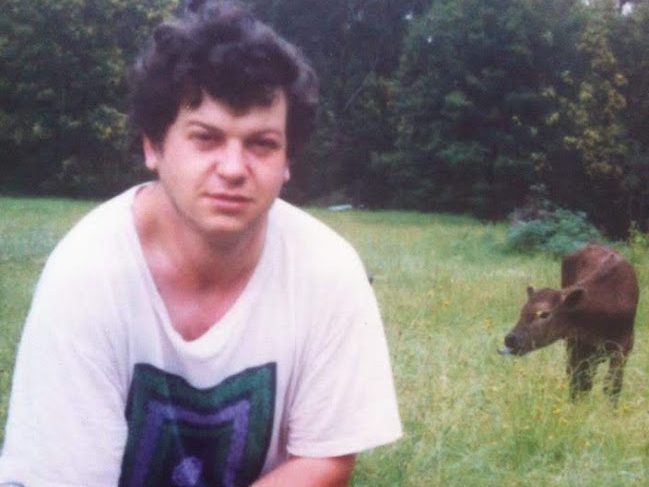
I have known Mike and worked on stuff with him for almost 20 years. Without Mike’s friendship, support and mentorship I would not have been able to get the main element into HTML and more importantly, implemented in browsers. Mike works at the W3C and has done as long as I have known him. He previously worked at Opera, when they had a browser engine.
transcript
Steve:
welcome to the fireside chat. How are you?

Mike:
I'm good but I have a general question which is  where's the where's the the fireplace fireside chat sort of implies a fireplace but I

Steve:
well it's just fire that's you you're actually in fire that's can't you see the flames licking, think of poor Dave his arms are just there you know all the time burning up

Mike:
I'm just you know I I'm still trying to figure out when people say fireside chat what the difference between a fireside chat and a regular chat is where if we just have a chat what what makes it a fireside chat what aspect of of it makes it fire that's a good question

Steve:
but I mean I just used the term fireside chat because this all started when I was at TPG and we started getting more and more people and we were using Microsoft Teams at the time I think actually but so what I would do was get and nobody knew each other it was like 50 or 60 of us who who were part of a company you know and there was it ended up being more people but we we had a sort of like a water cooler chat in Teams or before that Skype but what I thought would be a good idea because nobody else was doing it was to  just each day I'd ask someone I'd invite them to answer five questions from the fireside chat and provide a picture but it was also asynchronous but it was just a way of us like you know people would provide pictures of them with their dogs and you know things like just and and it was just very you know it was it was just a way of get to know people a bit better and it seemed to work quite well that's why this is resurrected not fireside chat so I like it but you know I'm

Mike:
 I don't know I got a lot of pet peeves about about language and and I'm old

Steve:
I'm old and but this is the words that I use I mean it's fireside because it's supposed to be

Mike:
friendly I like that it's a friendly chat maybe we should call it friendly yeah of course yeah

Steve:
cool yeah of course it's it's friendly well I mean I don't know you're my 13th 13 yeah I've done 12 two of them being two of them being Hayden because he didn't get through the Rogues Gallery the first time so but he's good yeah he's he's good fun he's got a lot to say so I really enjoy talking to him but what I generally have found is that that a lot of the people I've talked to I've known for years but haven't really talked to them much and I harbored sort of dislikes but upon talking to them I really warmed to to all of them which is which is great so yeah I'll probably yeah I'm trying to think of

Mike:
of something smart ass to say here about you warming to people or people warming to you but no that doesn't surprise me if no I will say well when we get together face to face and not just we I'm going to say the highlight when we have when just put it put it I'll just put it very directly when we have TPAC every year there's two people I look forward to spending time with literally more than anybody else and just talking to is you and Pat and the two of you together individually you are both just a lot of fun but to put the two of you together to sit and you know at the end of the evening and spend time talking to you I don't even have to talk I mean I just it's more just listening listening to the two of you go on and yeah well

Steve:
like the  those two from from  the Muppets the two sit in the gallery and you know in the box

Mike:
 yeah well what I can say I mean we've all got differing personas depending on where we are operating and communicating but you know we all have an online persona that people encounter and that they  make an evaluation of us from especially if they've never met us face to face right yeah come across very differently I mean you have this encounter with people where when they meet you face to face they'll say wow I just had a very completely different idea of what you were like based on how you are online yeah well yeah well they're sort of

Steve:
communicating through issues you know it's argumentative isn't it there's a lot of argument

Mike:
I mean that's part of the problem yeah it's like that you hit the nail on the head there I think this is like fundamentally the problem that we have with some of our personality clashes with the bad blood that has developed I mean amongst some of us over the years is that  the nature of the problem solving that we have to do together is that we have disagreements and and it's not fun it's not fun to to have to you know yeah well I've noticed Mike

Steve:
over the years because you know I was involved in HTML you you were there at the time and I was involved in HTML development HTML5 in particular and there was a lot of young people involved young people that had you know sort of social constraints on them and I think that that well you know it's just a lot of anti-social people involved and they were young and so when you're young and I was younger too I was more argumentative yeah you know I was you know I stirred up a lot of shit

Mike:
well you know there's this whole thing of  I don't know if you've ever read the book but there's a there's a book that's easy to make fun of especially from the title it's called how to win friends and influence people oh yeah is that Dale Carnegie or something yeah Dale Carnegie yeah Dale Carnegie and the thing is if you read that book and you have any sense at all it just all seems obvious this is the way you should behave but the thing is it's not obvious to a lot of people I think and when you read it it reinforces the fact that you think it's obvious or you write it off as something that's just you know  just stating universal truth or something you need to be reminded but one of the statements that he makes in in that book you know which was written like whatever  100 years ago almost or something I think when he started that book is you can't win an argument even if you think you've triumphed in an argument somebody else is lost and you have alienated somebody or however else you you want to expand on that this is the point that it's making you don't win people over when you win an argument yeah you you may walk away from it you know having decided or having a lot of other people decided too that that yeah you you triumphed in the argument but that doesn't that doesn't buy you goodwill from no people you lost the argument and so but there are you know because we have some people that we work with we've known over the years who kind of fall into that a personality trait of not being able to suffer or to bear losing an argument they they have to

Steve:
that's antithetical to to good standards though isn't it right I mean at some point you have to

Mike:
well I mean there's lots of ways to to gracefully get out of it one of the simplest ones is just to tell somebody yeah you're right you know even if because they are right in some way you're not saying they're absolutely right but you want to have especially with people that you have to continue working with that you know you're going to have to continue working productively with you know you want to figure out some way that you can get along together and not alienate people but the other point that make about you is that I think when people meet you face to face and spend time with you and like I said especially in that situation like you and Pat I cannot imagine them not warming to you oh that's that's good yeah I mean it's that's and I think this is true of most people I mean there's not there's not a lot of people who when you have a chance to get them out of argument mode and disagreement mode and and be face to face in in human being mode together that you're not you're going to find something to like about them you're going to find something that you have in common because that's what we want to do right do you don't want to sit there

Steve:
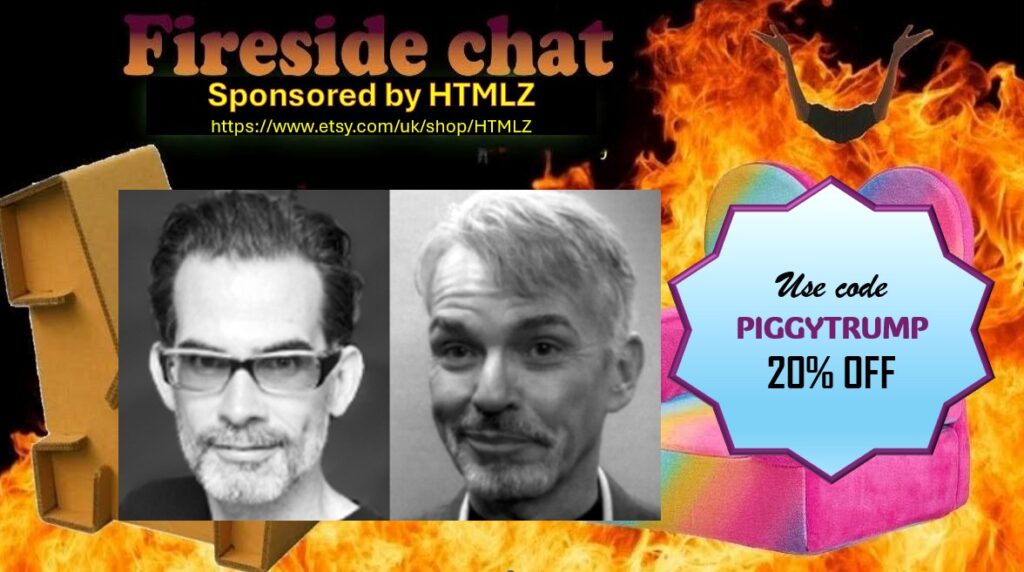
yeah face to face and just like hate on each other you know why yeah why I've been enjoying my conversations with people because of that yep yep so yeah I was sure I just wanted to explain the reason why I've got your picture next to Billy Bob Thornton there is at one point I saw your picture I thought fuck this Billy Bob Thornton I really like Billy Bob by the way

Mike:
he's a good good actor well have I told you about have I told you about this because my wife has also said this that oh really yeah and and but she she doesn't like Billy Bob yeah and so when I like if I don't shave and you know I start getting a beard going or whatever the more I start to look like like Billy Bob  the more okay what can I say she's she's the less she warms to me the less the less warmth I feel so oh well it's it's a way for you

Steve:
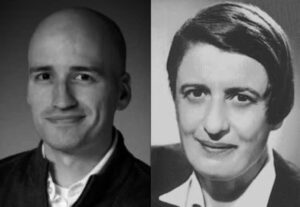
to  stand back a bit isn't it you can grow your beard and be alone and then go back in shave it off well yeah but that's that that's the reason why I mean if if I'm around people long enough I tend to see parallels between people like I've got this picture of Adrian Rosselli who you you know that you well you know of  and a picture of Ayn Rand and he looks exactly the same like like it's facially like if you put his like you know the Ayn Rand's hair on

Mike:
his head do you think it was Ayn Rand anyway oh man yeah well I then I have one more thing to be grateful for but I don't think he does

Steve:
I mean I know but I mean I'll show you the picture and then you'll you'll see what I'm talking about he doesn't I mean Ayn Rand's not someone that sticks in my head so I saw a picture of a I saw a picture of him I thought fuck it the same person anyway what I wanted to do was I've got a a special picture not that one okay that  I'll just again like throughout the years you know I've taken pictures of you amongst other people and and so I've got quite a few pictures now but I think you

Mike:
I hope this is not one picture me like passed out drunk somewhere because

Steve:
no not at all not at all okay it's a friendly chat remember well that wouldn't be unfriendly necessarily but no but yeah I mean I've got plenty of those but it's yeah because I went through this phase of capturing you sort of half asleep at a TPAC meeting and sort of say you knowin the afternoon in a different time zone and I remember meeting you when you came to CSUN back oh CSUN that was 12 years ago or maybe more I think it was more than that actually but yeah I half remember that yeah I'm surprised you even half remember it because you were well when I saw you it was like I went up to the  there's a bar at the top of the the hotel called something like the bar at the hotel and I walked in there it's quite dark and I looked over and then I like saw this thing or person sort of animating and it was you and you had all these rings on your fingers at the time oh yeah yeah yeah so hold on sorry I'm just gonna everything's been going so well and now I've got to find yeah oh shit all right

Mike:
yeah okay I see that

Steve:
there oh yeah this is the photo I wanted to show you initially because it was I don't know if it was the first time I met you but it was a long time ago well we both had you know we both had  dark hair yeah that's been a while that was like 2007 or 2008 in mandelieu

Mike:
that was in mandelieu yeah oh wow so yeah that's that's been a long time that's got to be 2008

Steve:
I guess so yeah that's so that's henny swann and the guy called andrew ronksley who's around I he's doing something accessibility but I see his name around but it's a it's a shame that it's it's

Mike:
it's a bit shaky the the photo but it's just I kind of like the aesthetic a bit actually it's it's nice and blurry that's how photos should be I mean a photo from the past that should eventually just sort of just like completely blur and become faded away right yeah okay that's so that's so yeah how many years has that been so it's that's 18 years or something yeah oh I see some other familiar faces there

Steve:
 yes well this is this is the fireside chat this is the rogues gallery so now we we're getting to the  the meat of it so top left do you know who this but people just don't know who he is and I keep freaking banging on about him that's bill  swallow that's dave swallow yes dave swallow I got this got this doctor david swallow phd

Mike:
yeah I don't know that I've met david swallow in in person I mean I've certainly yeah probably why because yeah yeah I know of him through through you I guess mainly yeah well he sees

Steve:
yeah he looms large in in in the the canon of my life but  he is a good friend and hopefully I'll see him because this year Tetrological is having their face-to-face in york and david lives just outside york because one one of our one of the people that we work with is getting married and so and they live in york so some of us are going to the the wedding at the end of the week so  which would be great now who's the I put this this shot in because it's it's from the other a big event on the calendar of  accessibility wise is CSUN I usually attend I haven't gone because various reasons major one being I didn't want to go to america yeah right on but for those people that are still in america I said to you got any pictures and he sent me sent me this one of  of himself and Karl groves saying hello oh that's Karl yeah okay and I did I had a chat with Karl an enjoyable chat with Karl recently as well which you could right right have you have you listened to any of these fireside chats of course I have oh so oh well that's good I hope you've been enjoying them so who's who's next on here well that would be Pat of course yes that was from a a recent we met up in birmingham  a month or two back and Pat cooked us a wonderful meal and we stayed in a airbnb for the weekend that was me Dave and Pat and we just yeah pretend those what did Pat cook for you  it's some sort of pasta dish okay

Mike:
I can cook for you sometime we'll have a competition I cook I cook  pretty good meat sauce

Steve: oh good good combination of ragu and yeah that's what that's what it was it was similar to it was just it was just nice we just had a really because the weather was shit dave went out walker because where we were staying was right in the middle of town but it's birmingham was such a shitty place i'm afraid to say  even though all my family come from there we actually met up with bruce for a beer and a second cousin of mine came along as well so that was that was nice  but yeah it's just nice to spend time and and chillax with Pat even though i do work i work with him and i manage him well barely manage anyway but  it's it's always nice to spend some time with him yeah i will have to say a shout out i don't know if you're aware but Pat's going great guns as the WCAG backlog task force administrator or whatever it's called you know lord of the lord of the the backlog but he's just doing a really good like because you you are probably aware but  way has thousands of documents here techniques  understanding how to meet a lot of those or the majority of them had no updates for like 10 years so there was you know still talking about stuff like  applets and and things like that so what Pat and the other people involved have been doing is going through making it you know making the documents up to date Scott O'hara is involved as well and Francis Storrand a few yeah there's a really good group that has minimal sort of the signal to noise ratio is low

Mike:
some of those technique docs  show up sometimes in issue reports for the html checker yeah and people say okay the html checker is reporting an error warning for this thing which is straight out of a technique stock yeah and  yeah the problem is that the technique stock isn't in conformance with the current aria spec or the aria in html spec and yeah i can't fix fix that  but yeah that i'm glad those documents are getting getting updated the other thing that Pat does is the pointer events yes working group right which is that's a big chunk of work just on its own that's  that's yeah that's so there's a lot of work that needs to be done there and there's a lot of people working on it so i'm glad that  but it's still it's still got yeah

Steve:
they got they got their work cut out for them as you say but yeah i'm just happy he's he's there i mean some people are sort of well you know we've got WCAG3 so why don't you work on yk3 the reality is for you know accessory practitioners is that WCAG2 is going to be around for a long time yeah

Mike:
and that's still what you see everybody citing when they talk about you know so who's this next photo to the who's that next photo i don't recognize that's Makoto Ueki oh yeah so well i don't know that i've ever met him face to face i mean i of course i know yeah i've had some online interaction with him i guess  i mean he's not he's not a person who files issues against the checker at least

Steve:
so yeah yeah so so makoto i think he lives in tokyo i don't know Pat caught up with him when he was in when he was in japan and they went to some underground  water like a tank or something or some sort of underground facility that it

Mike:
wasn't it sounds like a pool it sounds like you're describing yeah no no there's no water

Steve:
and it's like a you know huge sort of storage facility but it's underground i don't know where it was you can ask Pat but Pat made lots of videos of of himself riding around on those little  e-bikes e-scooters and stuff he had a great time i haven't i haven't seen that i have to

Mike:
i have to look for that yeah i'll point me to it

Steve:
yeah i'll point you to it these  youtube  videos i mean they they're they're sort of background viewing put it that way but anyway that's Makoto over here and makoto  he's a larger life character that's for sure he's quite often he goes to  a11yTO to he's always there like CSUN i think went to CSUN this year and accessory

Mike:
to and TPAC he's always around i don't think i've seen him at TPAC i don't i have i cannot remember meeting him

Steve:
ah well hopefully you will be at t-pack in dublin in is it september/october

Mike:
november i don't don't remember but yeah it is going to be in dublin and hopefully you'll be there we'll all be yeah i i should be so the next one i see there is mike paciello

Steve:
yes i don't think i did did him a great service when it looks like his chin is out about three meters

Mike:
squeezed him as you've made him

Steve:
yeah well let's say i'm not very good with the  photo shopping that's for sure  as we know  mike is a long-term friend of mine and and he was my boss for many a good year and i wouldn't be where i am today without him i've got a lot of time for mike even though it's it's you're probably unaware but he worked he went and he's now working at a i which is an overlay well mainly an overlay vendor and the audioEye the company sued adrian at one point for his comments about  this was you know historically so it's it's i'm

Mike:
i mean my first impression is that's kind of disappointing that he would be

Steve:
investing his time in a lot of people are disappointed but mike you know he's coming to the end of his his career and i think he wanted to challenge and he's always you know being this person that that gets you know tries to build bridges and i think that that's what to do it's a it's a bigger bridge than  well that's interesting i hope he's i hope he succeeds at yeah making something useful out of it well yeah so do i so so do i i don't know i mean i'm actually talking to him on the fireside in a couple weeks so we'll get the skinny there but what what i've been like i understand the way adrian doesn't talk to him because of the of the  legal nature of things but other people have just like spurned him because of you know i was thinking fuck you know i mean i'm sorry yeah

Mike:
i shouldn't get into this because it's just one of my bugbears but  but i yeah no you never stop talking to somebody i i guess but i mean there's something i can imagine that be that somebody might do that would give you good reason for that but not  not yeah not being employed somewhere geez i mean there's also the aspect

Steve:
of you know i don't begrudge anybody like you know i mean the sort of places where people work you know if you work for google if you work for anthropic or whatever wherever you go you're going to have moral dilemmas and moral you know sort of like it's yeah probably just generally

Mike:
shit i mean there's no yeah you don't yeah that's that's true so well so i see jean spellman down there as the next one i don't know if we're going through these all or yes yes jean spellman haven't seen jean for a long time no i think she's still tangentially involved in in WCAG3 but i think she's largely retired but  she used to be a used to work at w3c for years

Mike:
didn't she yes she did she did she's great she's she's a wonderful colleague and yeah one person

Steve:
yeah she is she's good good peoples talking good people so who's this next character

Mike:
that's my  it's my good friend  lives right down the street from me dominic

Steve:
danicola he literally does down the street he lives in tokyo

Mike:
yeah i don't think there's any no he that's that's a there's not secret he he's been living in tokyo for oh two years yeah i mean i don't really keep up with these his whereabouts

Mike:
i just yeah so there's a big street in tokyo that's called yamate dori it's kind of the western edge of central tokyo i guess you could say but it it runs  north south roughly well it's kind of circular semi-circular say but i guess i could say it runs roughly north south and so i live in an area of tokyo that's called nakano ku that's that's  that's more of  a middle-class neighborhood i guess so you say we don't we don't have as clear class distinctions in a lot of neighborhoods but but as you go in the other direction on yamate dori you get to the kind of nicer part of town which you know towards shibuya and and meguro there's area called meguro ku and and  you know there's these other it gets nicer it's a nicer part of town and when i say it's we live on the same street it is we both live along yamate dori but if i walk to where dominic  dominic's area is it it's it takes me about an hour and let's say 10 minutes hour 15 minutes walk and i do walk it because it you know to take the train it takes almost as long i think the train takes about 50 minutes so take the walk instead but yeah he lives close enough that that i can i can walk to where he is and you know we can meet for lunch

Steve:
he's someone you hang out with on a regular basis well you know you know how it is

Mike:
i don't i don't know how it is with you but we always talk about it and  when he was still working at google at the google offices you know we would meet more often it's just easier to meet there he's going into the office anyway and and you know i live with other people there too so where is he working now he's retired he he  he's yeah he's quit he retired from google and retired from editing  html spec and and other things that he's working on he's still doing some work on the libraries that he  is i mean how old's the guy he's pushing 30 he's he's a

Steve:
youngster he's still a youngster so yeah but obviously he made enough money fuck i'm jealous

Mike:
i'm not sure what i mean i guess he's got enough money to pay his rent and everything but i i'm not sure he's primarily motivated by money at this point he's i'd like the rest of us he's he i mean we i've talked about this with him he's thinking about the future and where things are headed and and i i mean yeah i think i think collectively we don't have a idea where things are going to be five years from now with technology because of because llms and ai and coding agents i mean the thing on this llm stuff and the ai i mean it for me i haven't like everybody seems to be going in gangbusters for it but it just seems to be what was her love money well it is causing some some mayhem for sure i mean and in in different ways right i mean the biggest we their social problems with it clearly outside of you know how outside of the utility of it weighed against the the social costs i mean of course the thing of how much how much energy it requires to to power these things but but as far as the utility of it so you know i'm not a i'm not like a a 10x engineer and i but i know a lot of 10x engineers and a lot of people that i work with  who who are employed working on browser engines in particular i mean this is the space that i've always yeah worked in for years before i even came to w3c when i was working at opera you know i had to work with people i've worked on browser engines and and the work that i've been doing at the w3c is largely you know working closely with engineers from webkit and from chromium, from  gecko and now with ladybird and servo and um

Steve:
and what i want to say what's your  your focus workwise good w3c workwise currently?

Mike:
well i spend time doing the normal stuff that we have to do which is getting groups chartered and re-chartered you know our process requires groups to be re-chartered every two years yeah and there's a fairly from my point of view at least  labor intensive yeah  process that requires a person to to to get the re-chartering work done and i say this right now having being in a state where i am behind on my responsibility for for two groups one is the web assembly working group which which now is under a charter extension for six months that needs to be re-chartered and it's only blocked on me basically getting together with the chairs to to get a a new charter written based on the old charter plus some changes that need to be made so you're left to do that within the six months yeah i think we got until the end of may and but yeah you know it's i just put these things off because i always have something honestly that's more interesting to me or or that i find i would say more interesting i mean  you know i want to spend my time working on ways to make  the web better for people as directly as i can and if you want to take it all the way back to to first principles i want to you know i hope that what i end up doing and spending my time on results in making people happier that if they have some use for the web that they find rewarding i mean like for example there's a lot of people that want to use the web for for entertainment this is not you know it's not my my purpose in life to i mean some people want want to entertain but i sort of feel like most people are probably already spending too much of their time being entertained and not enough on thinking reflection contemplation but i don't know how to turn the web into something that facilitates more reflection and contemplation well for the vast majority of people you're not

Steve:
going to be able to but obviously for the people that are contemplative or thoughtful there is the possibility such as yourself yeah i don't yeah i don't want to say yeah

Mike:
sorry go on well just okay so you know figuring out how i'd spend my time i spend my time on on the checker  that makes a difference for people one aspect of the checker that's important and you are the one that's highlighted this to me more than anybody else is how very difficult it is to produce aria  marked up content that that doesn't that isn't broken it's doing what it's supposed to be doing it's just the most complicated form of what the checker needs to be trying to help  trying to help people do and so yeah i mean the time i spend on that if i can make that tool help people and help library authors you know who are who are  you know controlling the kind of aria  markup that cms's and stuff generate to to get it like working the way that it should then that that i can consider that a win that's making a lot yeah so that's that's helping so so that's one thing you know i the time that i spend on those features in the checker

Steve:
i've noticed that it's been more activity of late because there was it was quiet for a while but you've been fixing stuff lately well so yeah

Mike:
there was a period of time well there is you know before i was single you know i've been i've been married twice that i'm second marriage now and my first marriage you know  i had a child who's 28 now but this is the whole reason i moved to japan to begin with  but so there but there was a period of time where i was single separated well divorced but i still had a child to take care of and that was my whole purpose for for you know being here and doing the work that i did and for moving to begin with  but still i i had a lot more freedom because my daughter wasn't living with me i saw her on the weekends and  we spent you know i would spend as much time with her on the weekend as i was able to get her mother to agree to but the rest of the week you know i was able to put as much time into into work and doing stuff  and so yeah back then let's say up until up until  around 2000 and  well around 2015 or so i had a lot more freedom with my time but what happened in around 2015 is it three yeah i got three kids now so i i got i got remarried and then i had another child in 2015 and then yeah my productivity and my amount of  yeah of what discretionary time to put into anything except dealing with my kids so i had a child in 2015 i had another one 2017 and another one in 2020 and and so i got three kids at home under 10 and so yeah from from 2015 on the amount of time that i could put into the checker went down pretty drastically and you know how it is with kids you know having one kid is a is a certain requires a certain amount of time and energy you have two kids and it's not a linear sort of increase in the time and energy that's required it's it starts to go you know exponential and you have three and yeah it's it's you you  you you have quite a bit less time so around 2020 after my my youngest was  was born then yeah i i had very little free time so for those five years between 2020 or so and the end of last year  i didn't manage to figure out a way to do maintenance on on the checker in the way that that i wanted to and what that meant is that the open issues piled up and so i think back when i started figuring out a way to address this back in october i had 300 open issues wow and i had about 40 of those were aria issues specifically that i had labeled and you know understood 40 of them at least and and each of those issues some of them are pretty quick to  dispense with or to resolve but some of them are really just big chunks of stuff that it takes but yeah so around october i started trying to figure out a way to work through those systematically and and  and i managed to do it i mean the punch line is i now have one open issue and i know exactly how to resolve it and what it's the only thing it's waiting on is i am working on a related code to the html parser that the checker uses and it's also used by by firefox and i got it reviewed and henry sivanen who's the owner for that has told me let's go ahead and merge it but he also had a suggestion about something that would make it make it better something that i'd overlooked and i said well let's go ahead go ahead and change it while while we both are paying attention because i think if i waited to to do the thing that he said you know we could wait on it would be a long time before relatively long time before we landed that so i wanted to get everything landed at once and be able to walk away from it and be able to use it for the checker so that i can get that one remaining checker issue resolved and then i'll be to you know  issue zero and i

Steve:
also that's that's great well until the next issue comes along you mentioned henry sivonen i haven't heard i i mean i i know his name very well i know of him but i met him i mean but not for many years is he still active well it sounds like he's semi-active

Mike:
yeah henry's still working on firefox and working oh he's still working on firefox yeah he's a maintainer for some core parts of the code still

Steve:
and what's happening with firefox i mean is it i always just feel as if firefox is just about to disintegrate you know mozilla do you have any insight into what's going on

Mike:
well so the other stuff that i work on in addition to working on the checker that i that i like to work on because it does make a difference for people so i use firefox i use everything there's a lot of people using firefox and so if i can do a Patch for a feature that gets into firefox then that's going out to literally like millions of people and making a difference for people so so yeah the way that i know i mean i also talk to i i know a lot of people working at  mozilla so i talk with them but the way more intimately that i know how things are going to firefox is i write a Patch you know i recently wrote a Patch for a an open dom thing for custom elements and i did the same Patch for for firefox and i did it for webkit went through the review process for both of them and yeah so my my point of view from that as a contributor is still it's going great you know i mean when i oh that's good i'm

Steve:
i'm happy to hear that i mean i've always been a a firefox supporter but to be honest i haven't used it as much lately I've been using chrome also use  vivaldi
Mike:
which is Pat i'm sorry which is bruce's  thing now yeah well you know vivaldi i used to work at opera and a bunch of yes a bunch of the engineers who still who used to work at opera have moved to vivaldi and are working there one of them is a guy that when i first got involved in standards  got involved with is the the guy that i  was  closely working on there's this thing called the ca browser for the cab for which is as the certificate authorities and people from the  companies together to work on things related to certs you know for ssl for tls and at the time when i first  was at opera Charles who was in charge of standard stuff for opera somewhat i mean along with with hokum hey here's this thing going on there's this guy yingwei who's  involved with it and you could you and yingwei could go and and do this participate in this stuff together and that's how i got involved with standard stuff and yingwei is still working at vivaldi i just saw  he posted something to the chromium slack channel one of the one of the channels in chromiums slack so yeah everybody's going strong i mean the people have been working on this stuff well you know i mean i've been involved since a little bit after what we g started so say 2005 2006 but i mean there's people obviously been involved much longer than that and some of them still basically doing the same thing they've been

Steve:
doing for the last well if you find something you enjoy or that works then just just do it i mean one of the things that i was piqued my interest about vivaldi is the is the structure of the company or you know that that is everybody has a share and there's it's not it's similar to a igalia in that way i know i like the sound of that it sounds well you know the guy

Mike:
so vivaldi isw as created by joan von teschner who was who created opera was a ceo and joan's got a great way of of looking at things he yeah he's he's a great person to work with work for so yeah i i can understand there must be a really exceptional place to work i mean for a certain kind of person there's a lot of people who wouldn't work well in that environment i don't think  like the way that that you know young would tend to set things up but there's a lot of people who would i mean i i think of opera as just when i when i i didn't work at opera for that long but when i got there after being there i felt at home i felt like okay this this is this is the kind of place i want to work because  people were encouraged to try what can i say wild ideas

Steve:
that it was open to that to to you know yeah it's a shame i i remember when  they decided that  to shut down the development of the browser engine the what was it called yeah it was presto yeah presto yeah i remember that you were this was many years ago now but i remember you being quite upset

Mike:
at the time about it yeah yeah it was a big loss i mean any anytime we lose a browser engine development anybody it's so i mean i felt that way about about losing presto in opera what about ie yeah it was the same thing with ie i mean it was the same thing with edge or what it what it got yes that was that was a big a big loss i mean i'm not saying it was a bad business decision or anything like that in either case but for us you know we benefit from having as many independent  projects implementing the stuff that we do because it it never gets worse when we get more implementers it always gets better a new implementer always finds something that something new that everybody else overlooked i mean that's what's been happening with servo it's what's been happening with ladybird you get people coming in without assumptions or without the same set of  coming in new they just have a fresh point of view and and it it helps make everything it helps make our spec better and when the specs better the other implementations get better and so yeah yeah we want to have more engines

Steve:
you're thinking this this reskinning and and you know sort of basically having blink under the the covers is is a retrograde step

Mike:
no i mean you still got great engineers working on some of the  opera still employs as a company there are still people who are working on chromium blink who work for opera and so yeah they're they're still great engineering work going on and and the stuff's still getting getting better i mean it's you know you can't you can't fault the company for making a business decision to not keep  putting money and resources into something if their business evaluation is they ain't making money off of it or it's not needing and that's the other problem that we have none of these engines are being sold as a product this has always been the problem that we've had with browser engine development is it's a cost center it's not a revenue center it's nothing and so every one of these projects is always at risk of of not being able to sustain the that they currently have losing funding losing people i mean people  get poached away or you know i'm going to say that because it's negative but i say they have opportunities elsewhere everybody who's working on on on a useful application has you know marketable  opportunity to go somewhere else and so yeah it's hard it's it's hard to sustain for anybody to sustain work on on a browser engine and make be able to fund it

Steve:
i mean it's yeah you're going to have fairly deep pockets that's why they suppose the large organizations can we get back to the Rogues gallery because i really want to finish this so next to dominic is that's judy brewer of course blast from the past i've got this really great picture of judy and shadi like i'm looking down a stairwell at TPAC this is from a while ago and the i've got shardy and judy in their mobility school shardy's in his wheelchair and and judy's on a on a mobility scoot but it's sort of like looking from from down it looks like a real huddle and that's what the way i always remembered the the way people there was always whispering and huddling and soon as i i would turn up they would sort of like look the other way or try that you know you know it was there was always lots of intrigue i don't know if that is still the case i don't think it is as much but  yeah i am well shoddy's shoddy's still around at wsh

Mike:
and judy you know i have to admit i don't know  what judy where judy's working yeah she had been she had a relatively sort of  influential position in yeah in the government but i don't know it's the same case now or

Steve:
yeah i don't yeah it'll be difficult to have any influence on the current government yeah this like i was looking for because the first presentation i ever did was in 2005 and i had this screenshot of a glass engraving of  tim berners-lee there was my but i couldn't find it but i found this and supposedly the the person in the person in the middle here is tim berners-lee but i i don't know why they go in for doing these these sort of  strange sort of arty sort of face mask it's really weird i mean i couldn't if if i looked at that i couldn't tell it was tim berners-lee i hardly it's difficult to know whether some of them are human or not but it's an interesting  those look like the things that they used to do

Mike:
in previous centuries like with beethoven you know the death mask is what the death mask yes

Steve:
death mask yeah it's definitely a step up from the  from the engraved the glass engraved pictures i'll have to find that as well because it's just i was just thinking at the time what the fuck are they doing you know why are they making this shit but anyway that was so we've got bruce down here we already talked about bruce there is you  Patrolling at TPAC yeah yeah that was in seville that was wonderful yeah that was that that was really it was a pleasant experience seville yeah i remember at the time that that i got  accused of stalking you because i've been i was taking pictures but  yeah i have a good

Mike:
there's a good good photo next to next to you that would be james  craig who is also quite wonderful to work with and yeah i just like him both as as a person i look forward to seeing him and spending time with talking with him but also he's he's a great problem solver

Steve:
yes he's he's very good i mean i've been yeah had interaction with him over the years many a time and then again that was a TPAC in in seville do you know who the next person is no i don't know it's natalie Patrice tucker she's an accessibility advocate works at knowbility which is a nobility sure yeah yeah so she's been there for a number of years and i first encountered her at CSUN in like 2014 yeah went and got stoned with it was great i don't think i've met her yeah she's she's very full of a few a few seven full of life i interviewed her a while back  has she been

Mike:
has she been at  TPAC

Steve:
no i don't think she has she's just been at CSUN i don't yeah not really tpac sort of people mostly knowbility i'm talking tpac sort of people who's that person next to that fuck he looks rough of course yeah i haven't seen Charles recently i mean he's always been a ubiquitous sort of presence at  accessibility and  w3c related events but  was he in was he at tpac this year no he wasn't i don't think he's

Mike:
been at the last couple TPAC's but you know the other thing about Charles when i first started opera i was living staying in oslo for some period of time with david story it's another person having kind of david story yeah he's dropped off the face of the earth yeah so david i was living
at david's place which used to be  hicksey's place when hicksey was in oslo you know they have these apartments that kind of trade hands but but anyway i was staying there and  and  i don't know yeah well there was quite a bit of nightlife involved  after after work and and  at different times i ended up at at the apartment where Charles was living with a couple other people but Charles wasn't around Charles was away traveling at events maybe w3c events i don't know what all i mean he traveled a lot at that time and and everybody just kept saying to me we gotta meet Charles you know if you haven't met Charles yet you gotta meet Charles and there's a quite a quite a bit of time it seemed like before i did finally meet meet Charles but certainly i mean Charles is is big physically big but if you want to describe somebody's larger than life it's certainly yeah he's larger than life he's a character and and like i was saying earlier the whole reason i ended up getting involved in standards was because of Charles taking an interest in me enough to say yeah we'll go off and get involved in the standard stuff the first thing like i said was the ca browser forthing but then there was other stuff going on at w3c at the time around mobile mobile web and that's how did you come to be working for the w3c well  i was working in opera and Charles was involved in w3c and knew that  i guess i was interested in in the standard side of what was going on i mean i had been involved with the what we g work first but there was some particular things that i i thought were really great like  you know the way that you could register a protocol handler in your browser one of the early things that that was put out there as a proposal i guess or for the what was called web applications at the time that became html5 was the idea that you could say okay when i click on an email link you know a mail to link instead of like opening some external application you could have it  open a web application and around you know 2005 gmail had come along and there were other web-based email clients so this i thought this was the greatest thing i'd seen like this idea of okay yeah we have one application open up another web application to handle a certain thing and i guess that was you know i mean there was a number of things that were going on in in that spec that that interested me as things that we should be paying attention to or that i could get involved with to make better but another thing was  geolocation you know we were i was in japan using opera on a mobile  phone katai as we you know called it at the time before before the iphone had come out and before most people in the rest of the world were doing anything on mobile you know we were using it every day here in japan and one of the things that was enabled in the non  well in the web browsers was an ability to  to share your location information from your mobile phone with you know  with the application running on the phone so that you had all these use cases for location based location aware applications and so i  started thinking well we should really have this as a standard feature as part of  browser engines and talk to different people about it i mean that was one of a number of things that that i got interested in and not just having in opera but you know in having in standardized in some way and so yeah that's why i started getting an interest in like okay well where's the placwhere we can make these things happen

Steve:
and the the amount of people involved in standards development has increased markedly?

Mike:
 no i think it may be well i don't know i think of it in terms of the people who aren't involved anymore people like hicksey who was you know just sort of central to  the work for for years and not you know we say for years it was like 10 years i think that that was his full-time thing and he's not involved anymore and he hasn't been for a long time he went off and worked on on flutter which is great everything that he's he's done since well that's the main thing that he he worked on was flutter but as far as i'm concerned flutter is a monumental framework thing yeah it's it's a ui framework and a development ecosystem for developers to create you know cross  platform applications i just think i yeah i think it has all of the right properties that you would want in such a system it's got some accessibility issues oh well so that is something well i i don't know because i haven't tested it but i do know that it was something that they tried to design into it that hicksey especially you know was quite aware of and tried to design into it but i don't know i mean part of it yeah i mean the what i've come

Steve:
to realize is that you know whatever you're working on standards you it's never yours you you know you just you keep it safe for a period of time and then you hand it off to somebody else you know hopefully someone you know that's what i felt with the  the html aam and the using aria is that you know because i i started developing both those specs and worked on them for years i felt like there was some part of me in them but you have to let it go

Mike:
because i don't know i mean so there's let's talk about that because the main so i would not have been able to build aria checking into the html checker without the work that you did on specifying the requirements because although there are some people who imagine that it's possible to implement directly from the aria spec as you know in practice it's not there's not enough information there the requirements are not the requirements are not there in the way that's necessary to implement them in a conformance checker and so the work that you did for years on the  on the spec for that the aria and html spec was necessary for anybody that wanted to implement a conformance checker and it still is necessary and it's still that spec is fundamentally the same as as what it was  i mean foundationally yeah and structurally

Steve:
it's the thing yeah the thing that that Scott has done is a he's he's just a lot more professional about you know like he makes sure that that he gets signals from people that are going to implement all that sort of stuff which at the time i didn't need to do because i was just really documenting the behavior as is but yeah i've got a lot of time what i mean obviously i still  keep an eye on things but it's a safe pair of hands that's why you know think and there's some of the changes that have been made i wouldn't necessarily agree with because i was quite bolshy about  about conformance issues but i know that the things have been relaxed a bit but but again you know it's my time of shepherding is is in the past well now i'm working on this WCAG EM with  the evaluation methodology with Hidde and and Jeroen  two guys from from the Dutch government and i'm having fun with that because i that that Hidde's doing most hard work i mean what what i feel i'm partially there for because this is a document that was originally done 2014 and basically need to be updated to reflect you know the moth the modern world well the fact that  WCAG has been used to test web applications and kiosks and other things as well and what i think i've brought to the the you know the editing table so to speak is just giving is just saying don't worry you know don't be too precious about what was written there before because half of it is just you know it's old old school stuff we'll just rip it out and we'll do something else yeah i think that Hiddy and well Hiddy in particular but you know he was a bit cautious about about that because it was one of the one of the editors of this this document was  Shadi and Agricultural Area Development who's high up in the Dutch standards or whatever oh i'm going i'm going to speak at  NCDT which is some in  May yeah end of May in in  the Netherlands i'm going to be talking about the WCAG and there's a big Dutch conference and i'm going to be talking about WCAG-EM and then Hidde's going to be talking about WCAG 3

Mike:
so that should be fun well yeah it's been a while since you've done a presentation

Steve:
i can recall seeing at least yeah well i did the state of the browser a couple of years ago but that was very much you know i mean i'm gonna have to be a bit more professional i think but having said that Hayden did did  present the year before so

Mike:
okay i should be okay what do you say i mean so yeah this this thing of you you work on something and there's a couple of phenomenons that happen in this work somebody you know you you work on a specification and however many years later somebody comes along and i mean in this i won't even say it's an extreme case but in one of the cases they just tear it apart you know they they they look at it and say well i i'm not on social media but i you know i know in the past and no second hand that you still see this happening where somebody comes later and looks at the previous work that somebody else did and just basically savages it and publicly well that's what i was talking about yeah but but you know there's tactful ways to to criticize of course and there's there's better ways than

Steve:
sorry it wasn't so much about criticize just about saying you know don't fuck are you still there something happened yeah something happened i just went dead it's more about just feeling you know not letting history be the arbiter of a future work i mean obviously there's some good things about i mean the you know about the idea we just developed it further and what i'm trying to do is just say to him you know i mean because he i think he had a bit of ptsd because he used to work at w3c so yeah i'll do it to you yeah well you know and and and also having some you know luminaries such as shadi being being the  one of the editors of the doc so you sort of you've got to become but you know we we're essentially getting feedback from people and doing stuff so i'm pretty pleased overall

Mike:
so sometimes people stay on too long on something you know there's some cases where i think you've seen this somebody feels too  attached to closely bound to some work some spec or whatever it is that they've worked on could be code that they've written in an implementation too and and they they can end up  kind of being in the way right and and sometimes you also it's good to have people step out of the way or or if you if you're the person who's in the way to recognize that and say okay yeah i can't i can't  as much as i still believe that i am the perfect person and then my  subjective  judgments about what's best are just intrinsically better than anybody else's you know sometimes you've got to let somebody else take over and and the other thing is yeah even you you have to recognize that when somebody else does come in they are not necessarily going to  treat everything that you did as sacred and  written in stone and eternal truths and you have to be ready for for people to dismantle work that you've done and yeah hopefully hopefully they come up with something better or at least they come up with something that's more closely aligned to you know current needs i mean that's part of it you can't the stuff changes it's a lot of things change and something that you worked on 10 years ago and tuned and designed in a certain way for the state of you know of of user experience 10 years ago well things are quite different now and and you know i don't keep up with stuff i can say myself i don't i don't keep up with things as much as somebody that's coming into this new does and somebody who has more familiarity with the current state of you know where technologies are and the libraries are and and how people are using things is kind of in a better position to make judgments about some of this stuff so yeah i can just say it's partially an act of faith right i mean i used to believe when i was younger that history was just  progress forward that everything was going to get better in my lifetime and politically socially  and everything that it's just it was you know it just seemed like axiomatic that that's the way that history moves

Steve:
but obviously things don't always move forward what's the what's the view you know from to the from the japan about what's happening with in america and the wars etc i mean what what what is the you know the common person's view of this shit

Mike:
 well so we just recently had an election and i've been worried for a while about how things are going to go because we have a ruling party here who's been in power for for almost entirely the entire post-war period here in japan and i used to think that they were they were quite extreme or you know reactionary is the word i actually use i used to joke i say we got two parties in japan one is one is the reactionary party and one is like the slightly less reactionary party but that was years ago and now you know they look like moderates compared to what's been happening in other places and but i at least thought so before we had this recent election i mean it shows how sort of naive i am i i couldn't imagine that people would end up voting in the way they did and the way they kind of voted including a lot of young people was in support of a movement further to to the right i mean in the way the rest of the world's going i mean we see this happening everywhere because the other thing i do not understand how this has happened and why it has happened but i do know i think all of us know that in part it's happened  it is a side effect of technologies that we have worked on for the last 30 years which is somewhat depressing yeah i mean it's pretty disheartening to think i started out you think you're going to build that if you work on helping build a system that makes it possible for people to access knowledge much more easily like when we were kids there's a thing i always point to if we had to do an essay for school that required research that that meant physically going to a library and looking through encyclopedias and checking out books and doing a lot of intensive sort of hands-on kind of  yeah work it's footwork it calls footwork because it required getting off your ass and going somewhere and doing something and and so i thought that okay that's that was hard and if we could make that easier you know this is one of the things i thought a great use case for everything we come up with is okay kids will be able to just get that information much more easily they'll be able to  they won't have to go to a library to look through all this stuff the old-fashioned way we did they could get it and they and they can i mean that's we have made that possible but at the same time what we've made possible of course  that we didn't anticiPate that nobody really anticiPated i can't remember anybody saying this ahead of time that we were going make it also vastly easier for people to share  junk you know to just to just fill up yeah and for and to not have  people prepared to distinguish the junk from the curated content i mean what we miss what we underestimated about libraries is that all of that stuff was curated in some way by human beings and and we haven't we don't have a similar curation mechanism and so no yeah we have yeah sort of

Steve:
as an example i looked it up on on you know grokipedia which is supposed to be the  grok version of wikipedia and so i looked at i looked up myself  for some reason i can't remember just because you know i like to i'm very vain but anyway it the first the first paragraph described me fairly well you know it was my it was it came up steve faulkner's grokipedia page you know back checked by grokipedia two weeks ago so the first part was fine but then the majority of it was about my football playing and my football career i've never you know there was like four or five paragraphs after the initial paragraph was saying i was i did accessibility and they talked about my football career so they obviously munged there must be a football player they munged two lots of information together and  yeah ends up being shit so that that at least is innocuous

Mike:
right but yeah there's a lot of it that's that's non-innocuous and that's why that's part of the reason why we've ended up where we are is that people who are bad actors who have malicious intentions have figured out ways to use the system to  influence people  well yeah they worked out that they can buy the power you know by influence or whatever i mean so but so i don't think that explains away everything but at least as far as our sort of complicity and in the the mess that things have become we have to accept some responsibility for having been naive and and not being able to anticiPate the misuse to which what we have worked on was gonna yeah it was gonna be good so yeah and i don't know how to fix it now but but yeah i

Steve:
well i mean yeah i mean for you and i to fix all people like us to fix it i don't know if that's possible i mean i think that what we actually need is is a change in in our political system and the economic system because otherwise you know it's just all downhill from here before i leave you we're on an hour and a half down yeah it's been a while before i leave you i wanted to ask you about something are you aware of the bumping trend the bumping train trend bumping trend apparently there's a there's a walkway there's a crosswalk in  somewhere in tokyo where all the lights go and then people just cross you know it's like a big intersection Pat Pat anyway but anyway i read yeah i read the newspaper the other day that that there's this trend that's going on people are just pushing each other over in tokyo especially men pushing women

Mike:
well so i've heard i've heard of this now a part of the genesis of that i think the way this is developed is it is quite crowded i mean i don't think it's unique in maybe it's unique in degree but but as train stations the public transport hubs go there's a lot of people moving through certain places at the same time in the station and and it requires people to be paying attention to what they're doing even under the normal circumstances but now that everybody has phones and they're carrying their phones what you see is a lot of people who are walking through this crowded place and they're not paying attention they're instead looking down at their phones yeah and the expectation that they have is because they're i think in some some cases and what people take advan TAG e of these bumpers is that they assume because they're looking down at their phone that whoever is in the vector of  movement in which they're headed has the responsibility to get out of their way to realize i am on my phone i'm not paying attention so you need to recognize that you're going to run into me and step out of my way and of course some people accidentally or well could be got two people doing the same thing of course they're both looking down at the phones they run into each other and they both probably think the other person's to blame but certainly there are other people i think who look for that they look for that as an opportunity right too i want to look for the person who's doing that and i i mean i haven't haven't seen this this happen but i can imagine that's part of like i said the genesis of it is to take advan TAG e of the fact that people are doing that anyway and then bump into them you know i i don't know i mean i've read about this as you have but i don't know yeah i just read about it and i thought sounds sounds interesting but yeah i mean there's always there's always more to the story right it's like this completely random thing but but yeah that was that's mostly my speculation about where it's coming from is that it started from that and it's probably you know sort of like morphed into something beyond that but that's probably how it started out

Steve:
last question i have for you today is  brian Kardell i  caught up with brian i went to a meet the TAG in in london a couple weeks ago and Brian was there there was it was it was at the samsung xl because what's his name Matthew works at samsung matthew atkins oh right yep yep yeah and he's on the TAG but what what i wanted to ask you about is that Brian said that he was on the TAG because he was a team pick is that something that

Mike:
that occurs well yeah so i there's at least one seat on the TAG and maybe two  where the w3c team as what we call which is the sort of term of art that we use for w3c employees i mean everything's a team right and we're all a team but when we say team in w3c jargon it means the w3c staff collectively you know has responsibility for some things and one of those things is is  choosing people for for the TAG now so yeah i well i'll just say i don't always particiPate in these discussions as actively as i should and part of the reason is because  well not everybody tends to agree with my suggestions so i don't brian's brian was that a positive for you or i don't i  i don't remember even the discussionabout selecting brian at the time

Steve:
  the only reason why i ask is because i've i've seen brian operate over the over the years you know and he's i always thought of him more as a king maker you know like he was always behind the scenes put politicking so i i understand from that aspect

Mike:
why i don't think he did any i so i i doubt he did any lobbying i do think

Steve:
i was not talking about him lobbying to get on i was just talking about him in general he did lots of lobbying and you know over the years to to get people onto the TAG or whatever oh yeah i mean it's not a negative it was just that's how i you know he was he was working the rooms so well i mean he's a

Mike:
he's a great addition to any sort of group  because he does have this quality of not getting upset he can't imagine brian really raising his voice i mean he's got his own viewpoints about plenty of things but like we were talking about at the beginning of this  he's right he's coming yeah yeah well yeah yes the people you know in a in an atmosphere where we often are disagreeing and there's acrimony and or opportunities for acrimony brian is certainly one of the people who  is not inclined to  to particiPate in in the argumentative side of it yeah no he's a great communicator i mean yeah i don't remember when i just but i think i vaguely do remember being asked okay what do you think about brian cardell as an issue this after they prioritize a decision of course i said hell yes that's great but that's that's the extent of my  input into these discussions is kind of finding out after the fact who was who's been decided on i mean this is not because i don't have opportunities yeah and i am not because it's not like nobody's giving me a heads up hey mike  we're talking about picking somebody for the TAG it's just it's one of a number of things that i guess i don't feel like i'm the most  i don't have the greatest chance of success of getting getting my opinion well my opinion will be heard but my opinion sort of  convincing anybody else about anything in those discussions so yeah i don't know i should try harder i i suppose but

Mike:
well i think he's a great addition i mean i just like the guy he's you know he's always good to talk to he's he's got interesting ideas so yeah well so i could say the other way it's it always works out too i mean i don't i can't think of anybody who's been a TAG  a team appointed to the TAG where i looked at it and said oh that's that's that was a horrible decision i certainly say in the case of brian despite me  having at best sort of a minimal kind of  support at the end for saying yeah yeah we should do that it's i mean he got on the TAG and that was a great addition to TAG so so what the lesson i should probably learn is that i'm still i'm better off not you know being directly involved in the decision making there because it works out pretty well without me so yeah yeah i gotcha okay well thanks mike it's been  chatting to you if you if hayden gets to do two of these then i think i should

Steve:
be able to do oh yes yes i'll i'll get you on a second time don't worry i've got i've got some coming up i've got sarah souden i could have yeah yeah jared cohen i've got dave swallow and  i've got doug shepherd's it's gonna be all right harry gustafson i've got like i when i started this i thought i'd do half a dozen that's it and now i'm up to well you're the 13th episode and yeah i've got loads more to do

Mike:
well and i'm enjoying it look forward to all of them man thanks for thanks for thinking of me

Steve:
no it's been it's interesting perspective you've been very serious but that's fine

Mike:
yeah well next time we'll we'll try to we get Pat on you get the

Steve:
yeah we do that you get Pat and yeah also what i've been i've been chatting with billy gregory

Mike:
do you know billy or you know i know just billy from you and from seeing the stuff that you've

Steve:
done together well he he's one of the organizers of a11yTO which is a conference and i was pitched to him and the idea of doing a like an event like one evening we have like a fireside chat shorts you know just get people up 10 minutes have a chat have a drink you know that would be great yeah hopefully that'll happen because yeah there's lots of i

Mike:
i like talking to people and  yeah well i what i meant about getting Pat on is you get the combination of you and Pat at the same time and then if you want me to be less serious i will be incapable of sustaining seriousness for too long if it's

Steve:
well next time you come on i'll get Pat to co-host or that would be great have a round table i don't really see you know me as being the host it was just a conversation but thanks mike and hope your family are well and  yeah he's doing fine and remember part of part of the  the wonderment of being on the fireside chat is that you get to choose an item from the htmlz store whatever you want yeah

Mike:
and i'll send it to you all right there's definitely something i want i haven't looked for a while but  but yeah absolutely whatever you want just tell me and give me the size of

Steve:
and the and the color etc and i will send it it'll be on its way right on all right thanks mike

Mike:
right yeah thanks dude look after yourself yeah bye-bye
Some stuff mentioned
- W3C – The World Wide Web Consortium (W3C) develops standards and guidelines to help everyone build and enjoy a web based on the principles of accessibility, internationalization, privacy and security.
- TPAC – The W3C annual conference aims to coordinate solutions to technical issues by gathering in a single event several meetings between the W3C Members and Boards, W3C Working and Interest Groups, as well as a series of breakout sessions determined by the attendees.
- Mike on LinkedIn
- Mike develops and maintains the W3C HTML checker
- browser engines
- Adrian Rand
- Brian Kardell
In the works a 3 way fireside with Patrick and Mike!
Cruising for Burgers
lyrics
I must be free
My fake I.D.
Freeeeeees me
Gotta do a few things
To make my life complete
I gotta live my life
Out on the street
The difference between us
Is not very far
Cruising for burgers
In daddy's new car
My phony freedom card
Brings to me
Instantly
ECSTASY