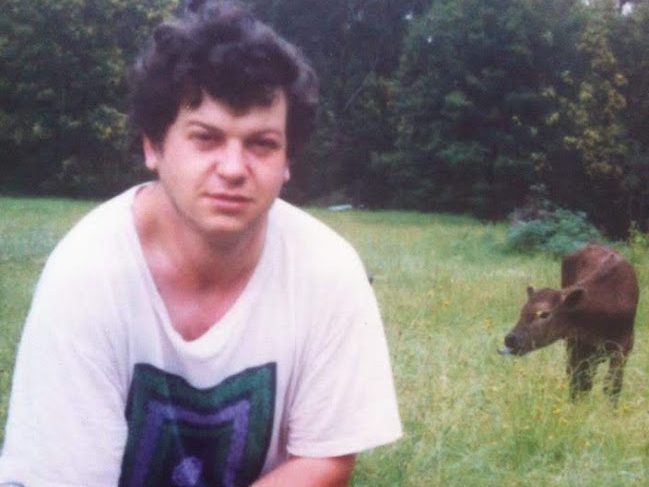

I have known Cynthia Shelly since the early days of the HTML Accessibility API Mappings 1.0 when we were co-editors.
Cynthia has had a long career in accessibility, she worked at Microsoft on the initial Edge browser engine, overseeing the accessibility implementation of Microsoft UI Automation (UIA) Developed an Accessibility program while working at Starbucks. Worked at Google for 5 years on the accessibility implementations in the Chrome browser. She has recently relocated to the Netherlands and is in the process of opening her own Accessibility Consultancy.
Cynthia Shelly – Fireside Chat
Transcript
DEVO corporate Anthem plays for 1 minute

So there we go. So now we're we're
officially and what I will do is I

want to share. Let me mute my notifications.

Okay. So now we've got that sharing. Okay. Okay.
So, now we've got us on the side and see I just

wish it was they were larger. But anyway, um
Oh, okay. You're going to get me in trouble.

Why uh why for for Yeah. Well, that's the thing.
If there is anything that that you don't want

to be associated with, you can say. I'll cut it
out. Anyway, this is this is just the the first

screen and what this is just fireside chat is sponsored by HTML Z which and there's the

URL for it and there's a code PIGGYTRUMP that you can get 20%
off. So, moving swiftly on. Okay. So here is the

yeah the various people and good company.
The first question I have actually which I forgot

to ask Crystal Preston Watson is  which
seat would you like to sit in? The cardboard seat

or the plushy seat? Oh, is there actually fire?
Well, yeah. Well, I mean, it doesn't really I

mean, I'm not You're not going to get physically
burnt by sitting in the seat, put it up. Okay.

I think I want the plushy seat then. Yeah, it's
it's the obvious choice, isn't it? So, it looks

like it should have unicorns. Yeah. Well, yeah, it
it could well do. I might add that it does have I

don't know if you noticed, but it's got the   hands of power in their David's arms. Don't

don't ask me why. so first thing is
is that can you name these people on the screen?

Oh boy, I am bad at names. So, top left is I
I mean I could just say you don't it's not it's

not a competition really. You don't Okay. I mean I
know Glenda. I know me. I know Matt. Yeah, I know

that. Is that David McDonald? Yes, that Karl. Yes,
Groves. I've met the person with the green shirt,

but I don't remember their name. her name's
Sam Snedden. okay. She was the first

the first TPAC I went to in 2007, which is
Mandelieu or 2008.  She was there. She was

about 12 or something. It was really odd. she'd
been involved Yeah, I do remember her from there.

Yeah, she looks really different. Been involved
in web standards and she's a luminary of the

WHAT WG and she still works she works for Apple
now as far as I know. Um and then Natalie Patrice

Tucker. Okay. bottom line.  is that Adrian?
It is Adrian. It's And that's Charles next to him.

Yeah, Charles. I thought I' drop him in I just
wanted to mix it up. Uh, and next to him is a

fellow called Dax Castro. Okay. Yeah. Yeah. You
probably PDF guy, right? Yeah. PDF guy. And next

to him, is that Crystal? That's Crystal Preston
Watson. And lastly, but not leastly, James Nurthen.

James Nurthen. Yes. And so up the top we've got the
swallow. He's very proud because he's got some

sort of medal he runs. Okay. So, well, he tries to run, but anyway, he got a participation medal.

Next to that is it's the same picture as the other day that um I didn't change it. That is Haydon

Pickering. but it's a drawing and I don't know
where it came from. And it reminds me of Frank

Zappa. And I love Frank Zappa.  next to that is Patrick. Patrick. Okay. And that's on

his wedding day. Wow. Yeah. It's a bit squashed
up because squash. Yeah. But he's actually

Yeah. Oh. Ah. He's Oh god. It just why? Yeah. See,
this is what happens. I just keep doing this this

thing whereby it just keeps disappearing.
Um, okay. So, I'm going to try again.

All right. So, we've got all these people.

choose any one of them that
you want and it will reveal a

a topic. Let's go with my old friend Charles.
Can't hear you now. What's up? You sound gone. Oh,

I'll turn up volume. Maybe it's me. Oh, there
we go. Is it you? Okay. Yeah. I don't know what

happened. See, that's what I mean. It's just that
they Yeah. Should we try that again? It's going to

be hard to edit. Yeah. Yeah. Well, the Who which
person would you like to choose? Let's go with my

old friend Charles. Charles. Okay. Hobbies. What
hobbies do you have? Do you have any hobbies? Oh,

wow. Um I have been trying to uh get back to doing
art. Um been sketching, doing a bit of watercolor.

I used to do a lot of art when I was young and
then you know jobs and kids and mortgages drawing

and stuff. Drawing and stuff. Yeah. Do you
hang pictures of the drawings in your

abode or do you have do you know make them
public in any way? I don't make them public in any

way. I might at some point. Um I just moved so
before I moved I was hanging them in my abode

and I haven't gotten anything put up yet but
that is the intention. Uh, cool. To yeah,

have more things on the wall that I actually
made instead of bought. I have some uh Yeah,

I mean, I take lots of photographs and
especially when I'm in Spain. I go to Spain

fairly regularly because my wife is Spanish and
I don't speak the the language that well,

but I do really enjoy this just walking around
and taking pictures of mainly architecture, but

uh I've turned some of those into  sort of uh
canvas frames and I've got them up on the

wall. So yeah, I mean it's nice to have things
that you have a personal association with. For

sure. Exactly. Yeah. I'm thinking about signing up
for there's a sketching an urban sketching class

in January that I'm thinking about signing up for.
So doing uh rough sketches and and watercolors of

buildings in Amsterdam, which sounds really
fun. Yeah. Well, there's lots of interesting

I like Amsterdam. Yeah. I like Holland or the
Netherlands I should say now in general. I went

to the Hague recently as for a WCAG-EM meeting
with um hidde which I think that you talked

to. Yeah. And yeah it's it was an interesting
place and I just like the vibe. Yeah. So that's

where you're live. Well, you're not living in
the hague, but you are living in Amsterdam. In

Amsterdam. Yeah. Just moved a little over a month
ago. And how's that working out so far? So far,

it's working really well. You know, I'm I'm
mostly moved in. Don't have any art on the walls,

but I am mostly moved in. You know, I I found
my spatulas and all of that sort of thing.

my stuff that was shipped by sea from the US
arrived last week. So I'm still kind of surrounded

by boxes, but it's nice to have like more than
a suitcase worth of stuff. yeah, and yeah,

it's working great. You know,  I'm I've I
gotten to the point where moving is mostly done

and I'm now focusing on getting getting my
business up and going and finding clients and

grant funding for standards work and all of that
kind of thing. Wow. yeah, it's a big task.

so have you have you moved on your own or with
family? Uh my 21-year-old is with me and we're

we're starting this business together. 21year-old.
Is that Yes. That is that baby you met? Wow. Yeah.

I mean, I was just thinking back as, you know,
how long I've known you. And did you were you

at the Birmingham ARIA work meetup? I think
he might I'm I'm pretty like I'm talking 2009,

sometime like that. I know Rich was there, but
we were doing a lot of the ARIA the Yeah. Yeah,

at the time um the area specification of
of how ARIA can be used or what what implicit

semantics were within HTML elements were was in
the HTML spec itself. I don't think I was at that

one. I think that was one of the years where my
corporate role was internally facing. but you

miss a lot. Well, I mean, I could hardly remember.
I know that Charles, I know that Rich Schwertfeger,

I always have problems saying his name. Um, was
there uh all I remember cuz at the time I was

smoking and I went outside with Charles went
outside the venue for a cigarette and then

there was like these people like street urchins
sort of homeless people that just descended upon  us

as soon as we appeared. like literally ran over to
us to to beg. It was interesting. So, I don't think

I was there on that. Um, so you've moved to uh
Amsterdam. You're setting up a business with your

daughter. That's that's an interesting point. What
is the business? So, uh we're doing accessibility

consulting obviously because that's you know what
I do and there's kind of two areas that I

think we have sort of stand out. One is that
I have all this experience with big companies

and with setting up sustainable programs and you
know shifting left and making it so that not

only are we going to find your bugs and help you
fix them but we're going to help you set up the

systems and do all the training and integrate
it into your processes and so that you don't

get those bugs so you don't keep getting them
and and so that when you do you find them early.

So when you say you you've got the experience,
give us a bit of a potted history of your

uh work in accessibility and standards etc. Show
my age here. Um so uh you're not as old as me,

so you're doing okay. Um, I was a uh dev lead
on the MSN homepage uh right at the turn of

the century and someone from Microsoft's internal
accessibility group showed up in my office office

with a door um with WUKG one on paper and asked me
to implement it and um MSN even then was like we

had done all these things. It wasn't called Ajax
then, but we were doing server round trips and,

you know, using using the DOM to pull things out
of iframes and update and cookies and stylesheets

and all sorts of good fun, right? And and WG one,
if you remember, said don't use JavaScript. Yeah.

And was that one of those until until uh
assisted catch up or not? I can't remember.

No, it it wasn't even an Intel user agents.
I think the CSS one was because it also said,

you know, everything has to work without CSS. Um,
but uh it it was basically that you have to have a

no script and your no script has to have the same
functionality as your script because there were

people using links and stuff still then. Um, as in
LYNX links, lynx, which was a textbased. Yeah,

I think Pat still Patrick L, he still uses fires
up links. Well, he always mentions it when Yeah.

arguing about things, ironically, I must admit,
but he still mentioned it. And, you know, for

a static textbased, maybe an image tag here and
there kind of a web, it's a perfectly fine tool.

I mean, I also remember using Gopher in the
library in college and you know, wasn't that

your age? Yeah. Yeah. So, so you sort of like
I associate you with Matt May and Wendy Chisolm,

you were all friends together and we're all
friends together. Yeah. So, time. So, they they

person from Microsoft's accessibility group handed
me WCAG 1.0 on paper and asked me to implement it.

And I looked at it and said, "This says don't use
JavaScript. don't use CSS.  I can't do that.

Um can I fix it? And uh I didn't expect that to
take eight years, but it did. And suddenly by the

end of that eight years, people had decided I was
an expert. Um during that eight years like I left

that job at MSN, I went to a startup for a while.
I came back as a a program manager in on Visio.

did a lot of thinking about graphics accessibility
and sort of what it means to separate content from

presentation in diagrams and drawings. I
have patents about that. it's very fancy.

Generating money for you though, that's the
question. Uh, Microsoft gives patent bonuses.

Not huge amount, but you get you get a nice little bonus when you get a patent and a

little statue. Um, yeah. Okay. um which you know
I cared a lot about at the time to uh Europe. Did

you did you carry the statues with you? I actually
did ship a box of old office stuff because I just

couldn't get rid of it. You'll have to you'll have
to put them on public display at some point

so we can see. They're in they're in a closet
right now. but yeah, um I also have a shrink

wrapped IE2 or is it IE3? I think wrapped IE3 box
software. Um yeah, I got the MVP  thing and I

for a couple of years the you know what is it the
most valued right? Most valuable partner I think.

Yeah. Something or most valuable person. Yeah.
Something. It's just a load of rubbish really.

I mean I but here still got it here but I haven't
got See you see yeah I recognize that font yeah

but it hasn't like you have these sort of little
little like um glass like uh coins or something

you put on it for each year. I've lost like I
had it for two years. I lost one. But not Yeah,

I think it's like most things it's uh it's worth
less than the trouble it is to maintain

it. Yeah. So, like I said, my things are all in
a box. but and so yeah, sorry. Go on. so

like after that  you know I left MSN I went
to a startup for a while. I came back as a program

manager working on graphics. I worked on Smart
Art which is part of it's in all the office

apps now but it started out in PowerPoint which
does automatic diagramming. It's not AI. It's

it's extensible with an XML based
format. Not that anybody does that anymore

but you know that was the new hotness at the time. and then I worked on a bunch of

other Microsoft products, but I always kind of had
accessibility as a side job. And then sometime I'm

trying to remember exactly when, like 2008 or so.
I went full-time to run accessibility for Windows

Live and then I went to the central accessibility
team um, that was at the time called Trustworthy

Computing uh, under Robinclair who you probably
know. yeah. Yeah, I mean I think I've met him

and know where is Rob Sinclair? Is he he's somewhere
else like he was at Atlassian. I haven't checked

in a while. Yeah. Yeah. I mean cuz I knew
somebody from TPG that that or a number of people.

I mean uh what's his name? Uh Gerard Cohen. I
don't know if you know him but he was he was at

Wells Fargo for many a year. I was front end developer accessibly relate but he

moved to Atlas Atlassian I say Atlasian but yeah
but but that doesn't really matter but yeah I

mean people tend to move around don't they really
do yeah mostly I was at Microsoft for a very long

time but and then I left in 2016 and I went was your your departure from Microsoft. Was that a

 was it acrimonious or was it fine? It was fine. It was fine. It was it was time. Yeah.

and I went to Starbucks for a while where I set
up a whole, I remember you being at Starbucks.

Yeah. I set up a whole accessibility program for their technology department. So

Starbucks is a huge company but they're the team that builds their website and their apps

sits in an IT organization and you know which a
couple hundred people but their apps have such

broad reach that we were working on the mobile
order and pay app so it had you know not only

did it have I don't remember the numbers but you
know bazillions of users it also had bazillions

of dollars flowing through it right and you
know we were working really hard to make that

app as accessible as it could be so that we, you
know, so it would work for everybody. Starbucks

client base is everybody, right? Like they try to
be super broad-based and appeal to everybody. Um,

and you know, I think we did a pretty good job.
Like it it I'm sure you did. Yeah. It's never one

of the things I was talked to uh Crystal Preston
Watson about about was um burnout and uh and how

you know especially when you're in organizations
in a smallish team or you're the only person in

in the accessibly person in the room um that you
expect to know everything. And I've been lucky

enough never to be in a situation where I'm expect
to know everything because I I obviously don't.

And I like to stay in my lane, you know, as far as
the when people say a subject matter expert as as

in relation to accessibility. There's just so such
a broad technical subject you can't you know I I

never claimed to be. Luckily enough as I I said
I when people say are you an expert I say no I'm

not an expert but I know somebody who is I know
quite a few people you know I mean there's people

so I always ask you know the person or the people
that I know well I think have some understanding

of of that particular area to you know provide
the information because the last thing you want

to like well the last thing I would want to do is
to provide advice that's incorrect or you know

so yeah and a lot of what I've tried to do at all
the places I've worked is to like train everybody

on the team right like you know before I got
so deeply into accessibility I have a lot of

experience just shipping software right and and
building websites and high volume websites and

keeping them alive and keeping them updated and
you know not getting server 500 errors that show

up on in newspapers and all sorts of fun things
like that, right? The '90s were awesome. but

but being able to like understand that building
anything is a team is a team thing. And you've got

you've got developers, but you've also got
designers and product managers and you know,

sometimes you have business analysts and you
have all these different roles that all have a

and content authors and you have they all have a a
role to play and just doing some very broad-based

training. So that what I really hate about being
the one accessibility person is that you spend 80%

of your day answering the same 10 questions
over and over again. And I that is not fun.

And so getting it so that people can generally
answer those 10 questions themselves whether

that's by looking something up or by going through
training so they know the answers and also so they

can integrate it into their work. Right. Because
like I'm never going to know all the nuances of

UI design. Right. Exactly. Yeah. not my thing. And
I, you know, I can kind of sort of use Photoshop,

but I can't like do anything good with it, and I can kind of sort of use Figma,

too. Like, it's just What do you mean by good?
I quite like what I do with Well, I had

a version of Photoshop that I had when I first
started at Vision Australia and I kept it. It

was like version six. you know, I could just take
the whole Exie and then put it onto a new machine.

That finally stopped working when Windows
10 came out, I think. Yeah. but I, you know,

it it was just as useful you know, 15 years
later than than it was when I first cuz my skills

never really increased. But, you know, just being
able to do basic manipulation. I really dislike

a lot of the AI integrations into uh into like
graphics products. I've gone back to using

paint. So, which is which has evolved somewhat,
but still, you know, I just want to do basic

things like turn images around or just remove
backgrounds and things like that. anyone my

deeply ingrained set of keyboard shortcuts for
like taking screenshots and things with paint

most of them don't work anymore and you know
and you know backward compatibility is a good

thing but some of these things that were you know
it was still considered backward compatibility

in 2002 right like it you know it um like until
pretty recently all the word perfect key keyboard

shortcuts worked in Word I don't think they do
anymore but They worked forever. Wow. Well,

I mean, it's it's good that they keep, you know.
Yeah. Yeah. So, the muscle memory still work, but

there's some point, I suppose, where you've got to
Yeah. Change it up a little bit. I think Microsoft

is less dedicated to backward compatibility than
they once were. But, you know, I don't work there

anymore, so I don't have any inside info. Well, yeah,
that's you know, Internet Explorer. I mean,

well, that was an unfortunate demise. Yeah. Did
you work on the on the edge? I did work on edge.

That was the last role I had at Microsoft was on
the edge. What were you doing then? I was doing

um accessibility PM for Edge web platform.
That was the pre-chromium edge web platform. Oh,

okay. So, so that that time when we got 100% on
your test, that was that was that was me and my

team. Well, I knew that. Yeah, I could remember
that you were involved with that somehow and but

then I was I was dealing with Melanie somner No, not
Melanie some Melanie something. Yeah, Melanie took

over when I left. Yeah. And Dave storey. Do you
Yeah. Yeah. I haven't talked to him in a long I

haven't He's disappeared off the face of the
of the universe. I haven't seen anything from

him for ages. Yeah. I don't know. I think he's
still in Seattle, but I'm not sure. Yeah. I mean,

I was thinking back that we first started to
collaborate on the what became the HTML accessibility

API specification. That was like 2010 2011 some
over there. Yeah. And yeah, I can't remember why

you stopped being involved. I think that you got
taken out of you know your focus was changed at

Microsoft. But what I was thinking about that
document that specification was that that predated

uh any of the other a you know the model and
now you know I've just seen well you're soon to

be working on the SVG which is has been moved
for ages but yeah there's a whole thing I remember

um at CSUN and which about 2010 and I was
touting this the idea of of having this because

having the HTMLAAM and purely because that there was
no central like there was no documentation around

how it worked you know how the accessibility
APIs worked and and how they

represented things whether there was any
interoperability and I remember I was talking to

um you what was his name Aaron Leventhal at
the time and he was yeah he told him to [ __ ] off

basically well didn't he didn't say that but you
know it was there wasn't a huge amount of interest

coming from yeah because he'd been doing the ARIA
one HTML was the HTML group was pretty hard to

work with in that era and I think that may have
been some of Yeah, I feel a lovely bunch. It's

funny you should say that because now I'm on the
uh I get pinged when there's WHAT WG you know

HTML related issues. Yeah, accessory related
issues. And I'm one of the people that gets

pinged. There's quite a few. But now I I sound
like the voice of reason, you know, sort of like

there's these things that come up and then myself
and others such as Leone and Pat, we sort of,

you know, sort of say, well, yeah, you've got
to think about it differently or whatever. And

and we end up usually making the point
that no change needs to be made or or people just

don't understand. I think there's still a lot of
misunderstanding about how accessibility APIs

work, how browsers, you know, produce them, how assistive technology, mainly screen readers

consume that information. So, it's but
there it's a lot. I mean, thinking back to,

you know, 10, 15 years ago, 20 years ago, even
the amount of people involved in the accessibility

community and the web standards community that
that have an interest or that have expertise

in in accessibility related stuff was minuscule
compared to today, which is pretty good. I mean,

I'm glad there's lots of people, but there's
also lots of, you know, people that that want to

be involved that that have eagerness,
but don't have the full perspective. So,

it, you know, it can it can involve um education.
There's it's a still there's a lot more resources

and infrastructure for beginners than there used
to be. Yeah, there is. But I think it's it's a lot

more complicated. Well, the whole web is more
complicated than it used to be, right? It's not

like you're going to build a website in Notepad
anymore. Which I did for money at Microsoft,

you know, at one time, right? so yeah so the
that well and the thing with the aam is that there's this big disconnect because
web people don't understand operating systems

and operating system people don't understand the
web right and for accessibility to work it's going

through it's it's the web getting translated
into an operating system API and then operating

system rules taking over and they it's just really
different and it's different on every platform and

And it's super complicated and it's hard. I
think it's just hard for a lot of people, people

who love the web and have, you know, think in web
ways. Operating systems are really alien. And the

same was true. I think Microsoft is better about
this than they used to be. I don't know. Google's

certainly better about this than they used to be.
But, um, that, you know, people who spent 20 or 30

years building Windows Yeah. The browser is just
an app, right? And it should work the same as all

the other apps. Yeah. But no, but no. Right.
And it's just like there's it's really hard to

bridge that that paradigm. See, I got to say
paradigm. Nice. Well, yeah, they take that one

off your bucket list. Um, so I've always I mean
the the Microsoft always push UIA and I get it

but I just don't understand the full advantages of
you of user what was it you UIA or something

versus Iaccessible2 for example. So
putting on a hat from three jobs ago. Um that's

why you back you asked me what I was doing. I also
after Starbucks I worked at Google for five years,

four years uh on Chrome. But um uh basically the
idea behind UIA was that you wouldn't be as tied

to roles. So like roles as they were defined in MSAA
and as they are defined in ARIA were designed for

Windows 98. Right. Right. And there was only so
many widgets and you couldn't really customize

them very much. And they were mapped onto
the set of of roles and different properties.

And if you think about, you know, you set the
Wayback Machine and think about,

you know, I don't know, Word or something looked
like in 1998. Yeah. Everything that you needed

for that was available in MSAA. But when in the
early 2000s when Microsoft started changing their

UI and doing a lot of things to make you know a
lot of stuff was more customizable even in Windows

and and also on the web like people were you know
building brand new kinds of UI out of tables and

divs and click handlers and all that GUI
and there wasn't anything in MSAA to express a lot

of that stuff and so the idea behind UIA was that
you instead of having just like this is a button

and it has these states and these actions, it it
had ways to combine behaviors uh which are called

patterns in in UIA. the iOS accessibility API
has something really similar traits where you

can instead of having well you can have a role of
button you can have a thing that has clickability

and a pressed state and other things like that.
And it doesn't have to be a button or it doesn't

have to be a menu. it can you can combine
all the behaviors that you want to express

any kind of UI. So that's what UIA was about.
It was also tied in with all the managed.net

Vista sorry, Vista Longhorn stuff,
right? yeah, I mean it what you said

you work you worked at Google on Chrome.
So what is the well I don't know about the

current state but what what is the state of
implementation of UIA in browsers other than edge

I mean okay so I'm I have not looked at
the code but this is what I was told that

Microsoft to get Edgium chrome based edge
to work with UIA Microsoft implemented it

But it's not turned on in Chrome, right?
And I believe you can build with a flag

and turn it on, but
why is it not enabled in Chrome?

I'm trying to think of what I'm actually
allowed to say about this. Yeah, that's fine.

But I'm just interested because compatibility
mostly like you know but it's a big change

right switching what accessibility API you're
using is a huge change and like the

the potential to break the web is huge and the testing cost is huge and like I I think

that's the gist of it but it wasn't really like a project that was being seriously considered when I

was there. Gotcha. It's Yeah. I mean because
like a screen reader like narrator which is

the built-in screen reader from  Microsoft
from Windows that only uses UIA as far as I know.

Is that correct? That is correct. But there is a
translation layer in Windows. Right. So narrator

can work with MSAA based apps but not IAccessible2 based apps at least that may have changed but at

one point that was true. So there's a well because
IAccessible2 isn't Microsoft's API right like it's

it's No it's a Linux foundation isn't it? It's
a yeah I don't know I think it first showed up

in Netscape I can't remember. but it
is well supported across

browsers Chrome, Firefox, etc. So that and
this is one of those places where the web way

of thinking about things and the operating system
way of thinking about things are really different.

When UIA was created, it was created for Windows
apps, right? And so there's a translation layer

that allows old Windows apps to work with. Yeah.
UIA based AT and it wasn't really necessarily

thinking about the web. It was think then it makes
perfect sense. But then you got things Yeah. Then

you got things like Electron apps which are on
browser engines but are apps themselves. So yeah,

I mean it's just mad. I mean there's always
something new and exciting and and interesting

and buggy to to work on. So going back to
your current So you're in a, do you plan to

stay in Europe for an extended period? I'm on
a two-year visa which I will probably renew but

you know things are a little fluid at the moment.
Yeah. So but I'll be here for at least two years.

Oh, excellent. well hopefully we can catch
up when next year TPAC is in Dublin. It is.

And there's something in Dublin in February too
that I'm going to go to. I can't remember what

it was but some some little conference. Yeah,
there's a really good conference called State

of the Browser. that it's a one day thing that
happens in London. uh if you get a chance to go

to that I think it's in February this year but
I presented at one of my rare times of presenting

and it's just got lots of interesting speakers like
last year it had the guy from the Ladybird

browser the engine and that was interesting
because I'd learned more about that and

there was a guy that I I think he was a German
guy or Austrian guy or maybe a Dutch guy I don't

But Oliver Lindberg, I think his name was and
he did his all about fonts and that was

a I really enjoyed  his presentation. So
anyway, state the browser, I'm just giving a

shout out for that. I've got my ticket already.
Tetrslogical, we sponsor State of the browser. So

um Okay. It's Yeah, it's Send me some info. I'll
look at it. Yeah, the location

the venue is is the I can't remember the name of it
now. it's it's somewhere in London

but it's but the architecture of the building
is really like it's sort of almost organic but

brutalist organic. It's quite interesting.
I haven't been to London in like 20 years so I

don't know but that sounds cool. Yeah. No, no,
it is. It is. So, I'm looking forward to that.

Always always like to look, you know,
forward to things. So, where like you're living

in a flat or a house? Living in a flat. and
yeah, right in the center. And Absolutely.

Yeah. And uh I have a co-working space that I
don't go to very often. And a desk in a

corner. And that's where I am right now. That's
my real background behind me. Nice. Yeah. Well,

I showed you my my real background. Would you
would Yeah, you got it lined up perfectly though

because pillows keep blinking in and out on the
on the cushy. Yeah. Yeah, that's So, I've got

some pillows in the back here. Yeah, it's it's my
comfy zone. Office stroke comfy zone. Okay. So,

I'm not going to bother to go back to the
board because we're just, you know, chatting about

stuff. so were you actually involved in WCAG one? No, I came in right at the beginning of WCAG 2.

So that's that's where I met Wendy, right? Because
Wendy Wendy worked on WCAG and Wendy worked with

uh Gregg Vanderhiden at the Trace Center. Yeah,
I think when she was in grad school and was

the editor of WCAG 1 and then I asked to you know
can I fix this when I was at Microsoft and I went

I went to a WCAG meeting at CISA in 2000 and
where they decided to charter WCAG 2 and so I was

there at the very beginning of WCAG  2 and I had a
lot of experience trying to implement WCAG  one on a

you know big modern site which was just not what
people were thinking about right I mean it went

Rec. in 99, but it was mostly written in like
97. And I know those now those sound like kind

of close together, but the web changed so much
in those two years. I remember the the first day

I started Vision Australia, which was in 2001.
my boss at the time, Andrew Arch,  it

was just before Christmas, I think. But he just  provided me with a paper copy

of WCAG 1 and said read it. I had very little
understanding of accessibility. but yeah just

four or five years working as a consultant
at vision Australia really really helped. But also the

the fact that there was lots of people that you
know that had disabilities around at vision

Stroke because low vision and yes uh it was it was
really instructive and helpful for me you know to

to understand and also to understand
the WG or understand WCAG at the time.

So, now that you've you've set up a do you have
actual business set up like a I have a an actual

I have a Dutch corporation. Excellent. Well, you
should give Do you have a website that you Yes,

it's not quite up yet. Um, so it's Scaled
Accessibility Consulting  is the company and

scaled11y.com is the website. It's a coming soon
page right now, but I'm I'm real close.  well,

please when when it does actually, you know,
you do actually get some content on there,

let let us know and yeah, do my best to promote
your work.  I'm using WordPress and learning

all about WordPress accessibility and  I haven't
really I've worked with a CMS before but not

like building a site from scratch in a CMS. When
I've built sites from scratch, it's been, you

know, writing code from scratch. and so it's
it's interesting, but I decided to go ahead

and go with WordPress because it's so popular that
it seemed like it would be just a really important

thing to know how to do. What's that? I use that
for my blog. I have for years and and before that

 TPG the TPGI TPG blog was WordPress based. So
yeah, I yeah what one thing that I do know is that

I don't use the new editor, you know, the wizzywig
editor. I use the old one because it's got some

odd name, the new editor, but it's just Yeah. Huh.
Block editor. Yeah, it's a pile of poo. I just use

the, you know, I mean, I don't need to have, you
know, lots of intricacies on the site. So,

helpful. I think I need to know how all that
works because I'm looking for consulting work,

right? So, yeah, and it's going to be a thing a
lot of people are using and it seems like like a

lot of things, right? If you know how you can make
it accessible, but it's pretty easy to screw it

up. Yeah, definitely. But I've I've definitely
screwed it up more more often than not.

so I'd mentioned that you  had talked to Hidde de Vries.  he seems to like he seems

to be everywhere these days like you know sort of
wherever I look  he's doing  a conference

or a talk or or he's at TPAC or whatever. But
he's a really nice guy. So, I'm glad that you two

managed to get in contact and I actually now
that I'm settled, like reaching out to him again

and being like, "Okay, let's have lunch is one of
the things on my on my short to-do list." Yeah.

I mean, I had a really nice time when I went to
the Hague because that that's where their offices are.

because he works for the Dutch government and so
I went up some huge skyscraper but it was just a

really nice and like the Hague is just got a really
chill sort of vibe about it even though it's

you know like I've always thought the Hague you know
there's all this sort of polish going on I didn't

see much going on but I just got a good feeling
of about the place something I've been really

impressed with it here is that government works
really well here. Like it just it's pretty chill,

but everything's very organized and it's really
doc well documented what to do and there aren't

too many steps and and everybody like the people
working in the government offices are nice and

helpful and the lines aren't very long and you
know it's like government as government should

should should work. unfortunately the yeah
the states I mean the state of the

of government and in general in the states seems
to be on the wane so to speak and interacting

with government offices in the US has never been
well in my lifetime never been particularly easy.

Right. Yeah. Yeah. What do you as regards
health care, do you get health care or Yeah,

I can get so the Dutch system it's
not a fully nationalized system. It's a regulated

insurance system. and I am I do qualify
for that insurance and it is significantly less

expensive than the US.  that's one of
the reasons why I  don't think I can live in

the States because the the cost of healthare
and just that that that model of health care

just means that for me to me that you you won't
you're not guaranteed to get the help that you

need. I've always worked for big companies and
I've always had good insurance. I mean I had a

few years without insurance right after college
but I was young and healthy and it I was lucky

right like but you know since I was in
my late 20s I've always had good insurance I

always worked for big companies and I you know
going independent and actually like going and

looking at those marketplaces I was like wow
this is this is hard it's really complicated

it's really you know and And it got simpler like
Obamacare sort of simplified what the some of the

choices but but it's still still yeah it's still a
big marketplace which which yeah I mean I just

find it difficult well I understand it because
you know we live in a capitalist society and and

there's plenty of of other aspects of life that
are involved with the markets but it's always you

know like both education and and healthcare
has always been that that it shouldn't be profit

motive you know motivated by profit and I mean
it look I mean people complain about the NHS but

still um I find and to an extent it's the postcode
lottery depending on where you live but I have

always found uh the healthcare support to be
excellent in the UK and in Australia as well which

had a sort of universal health care but there
was some co-pay but it was all you know very small

but for example as far as  prescriptions are
concerned I have to take certain medications

on a regular basis andup until I was 60 they
it didn't matter what you for getting that it was

£10 or this you know approximately £10 a bit less
but now so per prescription so if I was getting

you know if I was getting some some antibiotics
it'd be £10 but once I turn 60 it's free that's

nice yeah yeah I mean the benefits of getting old
I was surprised because I went into the chemist

and the guy said to me I'm going to have to pay
anymore. I said, "What?" Cool. Yeah. Yeah. So,

it's uh you know Yeah. I mean, 60 doesn't sound
as old as it once did. Well, I only Yeah. Well,

I wish I was 60. I would be 62 in January. But
anyway, I mean, that doesn't Yeah, it's just part

of part of life getting old. It's that  getting
older. But I don't what I don't want to do was

end up because you I've see sort of especially in
the standards work and the and the W3C there some

older people that should really just not
retire but just be less you know officious in

their and active in their you know
wanting to put their finger in their every pie.

I don't think there's actually age related.
I think there's just some people that just like

sound of their own voice or or just want to have
an opinion on everything. And I've never been one

of those people. Thank God. Some, you know, I've
been around standards a long time and some of

the people I think you're talking about were like
that when they were 35, too, or 40 or, you know,

Yeah. Yeah. When you Yeah. I mean, I had my times
with with HTML and the WHAT WG group and all

those things and that because one of the subjects
that that I talk about that I bring up as topic is

burnout and I think that I did have a bit of
a burnout from doing Standards work for several

years and then I've sort of got back into it and
it seems similar. Well, I'm not saying you had a

burnout but you were not involved. Now you're
starting to get back involved again. Are you

enjoying the I am right. Like I get to pick what
I work on now. Yeah. And you know in when you work

for big company like there's the thing that the
whole company is doing and you need to be involved

in that and then you've got your own little
specialization area. Yeah. And it's hard to like

carve out enough time to do it and do it well.
And and there's also there's always, you know,

the winds change a lot in big companies. There are
reorgs and strategy shifts and yada yada yada. And

you have to like refocus what you're doing to
survive. I used to call it surfing reorgs. But

, you know now I'm independent and one of the
things you know of course that means that I'm you

know I'm it used to be very easy to get funding.
I just had to convince you know my boss's boss

right and and now I need to like go out there
and and beat the bushes and and look for some

look for look for actual funding to do that work, yeah, that can be time consuming and can also,

you know, get you down. But I mean I've been
you know like my life has been and my work

life has has been I've been gifted
with the opportunities to like I've never

Iworked like I worked for a largeish
company but you know compared to the likes of

Microsoft or whatever but also that I worked
you know for a long period for a accessibility

primarily accessibility consultancy. Yeah.
And so I got to work on stuff and also I

had a lot of latitude so I was able to just
work on stuff that interested me right.

yeah so I'm trying to find the right balance
between like consulting with companies and

helping them make their their presence accessible
and helping them build systems that keep it that

way and doing standards work which is probably
mostly grant funded. Um, you know, maybe you can

get a vendor contract with a tech company every
now and then, but it's mostly going to be grant

funded. Yeah. And, you know,  I want to do some
of both of that. And then, you know,

Finn, my my my business partner is, you
know, early in their in their career. And so,

I'm training them to do some more of the testing.
And I think they're probably going to do the the

PDF remediation certification. Seems like
there's a lot of PDF remediation work. So,

we I hope that we'll be able to offer sort of a
full spectrum.  they're also really interested

in accessibility of physical spaces, buildings,
and and things like that. And I'm hoping that,

you know, as we get a little farther along,
we'll be able to offer businesses this sort

of full package that includes both digital and
physical presence. do you like the you know

if you get the more work you get, do you plan on
employing or getting other people involved if we

have enough work? Yeah, you know, I haven't
probably something I've thought a lot about is

like internships and yeah, how we can bring in
and I did a lot of this when I was at other in

other jobs too. How how can you bring in early
career engineers who have disabilities? How can

you train up people who have a lot of potential
but maybe you know don't get the interview?

so you know thinking like maybe doing some
some internships or some co-ops or I suspect that

there's government funding for that sort of thing.
haven't really looked into it a whole lot. But

yeah, you know, I think I think growing to, you
know, certainly bigger than the two of us. I don't

I don't want to be a unicorn or have a hockey
stick or blah blah just I just want to do work,

right? I don't want to I've already managed big
companies. I don't want to do that anymore. but

you know if we if we have enough clients then yeah
I would absolutely want to do you know to expand

the pool of people who can work in this field and
also obviously to partner with other consultants

and other companies that that do this kind of
work. Yeah. You should also Hidde knows

them. There's the guy there's a company called
Abra which is they have a a um a Dutch company and

they have a uh they specialize in in mobile um uh
the automated testing or or semi-automated testing

but they also do some some testing. But there's
a guy called Jan [ __ ] I think his name is. I

never know how to pronounce these people's names.
But he is um head of the or he's the chair of the

uh mobile accessibility task force. Okay. But
he's one of the the people that that work there.

Another guy called Paul I think his name
is. Seen that name. Yeah. Yeah. But anyway,

 I'd sort of, you know, have a look Hidde knows
them, ask because I'm sure it would just be nice

to for you to hook up, not hook up, but you know,
sort of to meet them because they they're local.

They live in Dutch land. One of my  what what
a person that I worked with for many years

Hans Hillen started on the same day. I don't know
if you ever I've I've been in some meetings with

him but I don't know. Yeah. Hans Hans is sort of
like he he has a deep level of knowledge.  but

he doesn't have a social you know presence and
so people don't know him as well unlike me who

has a very surface level of knowledge but
has a social presence a deeper social presence

but yeah he's Dutch u I don't even know why why
I was thinking see I'm just thinking of all the

Dutch people you know right yeah yeah but no
but Hans lives in New Zealand now anyway he's

still working at TPG but he and I started
it on the same day in 2006 at TPG.  anyway,

yeah, sorry. It ends up like I don't mean to to
bring the topic of conversation around to myself,

but it just seems to Yeah, that's good, you
know. it just seems to happen. Yeah. I'm just

trying to think of like reminds me of all these
things, you know, especially talking to someone

uh such as yourself who I've known for  years on a you know, some level and interacting with

in various situations. it just reminds me of
Yeah. all these things from the Yeah, that's part

of what happens when you get old. True. You know,
what has gone before is greater than what

what will come in the future. Hopefully. I don't
know. People in my family live into their 90s. And

my dad didn't retire till he was almost 80. So,
yeah. Well, I don't plan on retiring till I'm

70. Not because I Well, I mean, I enjoy doing this
stuff anyway, but but also I've got, you know,

I've got a 16-year-old daughter and a 21-year-old
daughter and they both still live at home. Well,

the 16 year old, of course, but the 21y old and
uh so I  just need to generate money to

feed their habits, you know, their their
lifestyles. Yeah. My wife works as well,

so we both work full-time. Yeah. So, how how
are you finding the cost of living over in

Amsterdam? It's it's a more complicated answer
than you would expect. So, I came from Seattle,

which is one a very expensive place. Like, it's
not it's right behind it. It's not quite up there

with like London, New York, San Francisco,
but it's not too far behind there. Yeah. So,

compared to that, it seems pretty affordable.
But there is a housing crisis and a lot of

landlords won't rent to immigrants and it's,
you know, it ends up being kind of pricey, but

in comparison to to Seattle, it's less than
Seattle, but also like, you know, I had a whole

house, right? and I bought my house before the
interest rates went up and you know so it's

a little hard to do apples to apples. Groceries
are definitely cheaper. I don't have to have a

car that's definitely cheaper. I bought a bike.
Yeah. I Yeah. I love like just watching you know

because a lot of the times when I go to Amsterdam
or mainly Amsterdam I've been to just watching

the people on the bikes you know just sitting
there and some having a coffee just watching

the world go by. It's such a wonderful place for
doing that. It really is. Yeah. And you know,

I the first few times I tried to ride a bike here,
it was like, there's every roof people everywhere

and how does this work? And and you know,
like not only are there bike lanes everywhere,

there's left turn lanes for bikes. Like it's
Yeah, it's serious. And and I realize the closest

thing I the closest analogy I can come to is that
riding a bike here is like driving in Los Angeles.

You just have to be you have to be, you
know, a protozoa floating with the flow,

right? Yeah. You just got to get into that  stream. I um I spent some time in Thailand

in in the in a smaller city in the south of
Thailand and I had a moped there and yeah,

driving around there is exactly it's like you go
into a stream and just got to follow with the flow

and just Yeah. It's it's incredible.  okay,
so you're still finding your feet in

Amsterdam and in you know you work-wise you you're
starting to get some clients or customers getting

there. Yeah. So things are things are positive
for you which things are positive. Yeah. you know,

I'm working on the I just started working
on the SVG AAM and I'm working with Lola on

accessibility compat data and you know, that's
as you may remember like testing and automated

testing and being able to test browsers
and compare them and have you know again

that's what the AAM were about too is like writing
down what the browser's doing and comparing it.

ACD I think is kind of the next step in that
and you know if anybody remembers Intel user

agents in WCAG one and then accessibility
supported was the WCAG 2 version of that but it

it was kind of you know vibe based and so trying
to get to a place where it's not right where you

don't have to expert on the market definitely
some interesting discussions around that around

accessibly supported because quite often I
mean or quite often I on occasion I use that

as an argument as to why something fails wag
or whatever because even though if it's not

accessibly supported like you know if enough
of the the assistive technology people use don't

support it or the majority doesn't support
it then then it's not accessibly supported

in my but how do you know that as a regular web
developer like there's just you know you I mean

you got you know even among the crowd we hang
out with there's a lot of like discussion and

positioning and is it or isn't it and and then
you know you got all the different at and the

different operating systems different language
markets you know something that's accessibility

supported in English might not be accessibility
supported in some other language um And you know,

if you don't speak English, then that doesn't
really do you any good, right? Um, and it's a

really complicated thing. And so I think that's
where having I mean, just like your your HTML 5

acid test thing, right? Like just having some data
that says like these are the things we expect and

this is where it works and doesn't. Also, that's
what I've tried to do with the uh the HTML screen

reader support. Yeah. It's, you know,
 it's not trying to to to provide it's just

trying to provide like an easy way for people who
don't have a lot of time to be able to compare,

you know, and to understand how how assistive
technology screen readers in particular you know,

sort of interpret and convey the the semantics of HTML. It's important for people to

understand, but yes, a lot of it and this
ACD stuff that you're doing with Lola that

I'm tangentally involved in I think that will
be helpful as well because it it provides that

yeah that those data points that people need to
understand and implement things appropriately,

right? Like I was talking before about the the
the way that you know web people and operating

system people don't understand each other right
and like if you look at it there's a bunch of

layers right there's markup and then there's a
DOM and then there's uh internal accessibility

representation and then there's mapping to you
know half a dozen accessibility API operating

system accessibility APIs and then there's every
at on those operating systems mostly consuming

those APIs but sometimes going back over here too
and you know so like the the screen reader support

one works all the way out here in user land and
uh something like axe works all the way there in

markup land and WPT is sort of that internal
representation but there there aren't there

isn't data about a lot of those layers except you
know maybe in Aaron Levthal's brain right like and

and Aaron Leventhal has a wonderful big brain
but it's difficult for other people to access yeah

yeah exactly it's it's funny like saying about
Aaron. He says that like he's one of the people

I never quite like I've talked to him over the
years, but I never quite felt comfortable in his

presence. Always feel. But that's just me. That's
I mean he and I worked together pretty closely at

at at Google and he just, you know, when you
have a question, you could just say, "Hey,

how does this work?" And if he doesn't remember,
he'll just go look in the code, right? And yeah,

but not everybody can go look in the Chrome code
and know where to look. And you know, I mean,

not only is it an enormous codebase, but it's also
C++ and 25 years old and, you know, um it's

not an easy thing to just to just go look. And
so having some more, you know, testdriven ways

of looking at that information and particularly
having it as automated as possible so that it can

stay fresh without having to, you know, pay armies
of testers, which nobody wants to do anymore.

Yeah, that was one of the things that was nice at
Starbucks was they still had QA. So, I taught all

the QA people how to do accessibility testing.
It was great. Well, that's cool. Um, okay. So,

we've been speak for over an hour now, so it's
probably time to um wind it up. Yeah. Do you

want me to answer one of your quiz questions? ,
yeah, if you want. , I I'll just hold on a sec.

I'll  I mean this WCAG 3. Oh boy. Okay.
How what what's your what's your gut feeling about

the direction? Did I mean I do it? It seems like
they are starting to get their act together. Well,

that's good. I'm not super involved in WCAG 3.
I you know when they were when when people were

deciding whether to do 3.0 or do 2. a million
I was more in favor of 2. million because of

backward compatibility and the legal references
and you know I was also working for big company

at the time. Um yeah well you do know are
you aware that there's now talk of a two dot

x and I think that's probably needed because 3.0
is still a long way off. Yeah. Yeah. And you know,

but the backward compatibility is super important
and I know a lot of people want to not have that

and the reasons aren't like there's nothing
wrong with the reasons. It's just that in the

same way that web and operating system people
don't talk to each other. Sometimes standards

people and business people just really don't
understand each other. Yeah. And you know the

fact that WCAG 2 is the reference for every law
around the world Yeah. has been a huge driver of

stuff actually getting done because there's some
clarity about what it is you're supposed to do.

That's um one one of the that's why I think
that the ongoing work on WCAG

2 backlog which is essentially you know putting
time into yeah into updating and and making

and clarifying stuff in the in the volumous
techniques documents whatever I think this

is really important work because it affects you
know like yeah I mean I'm interested interested

in WCAG 3. I'm interested in the direction but you
know boots on the ground today everybody uses WCAG 2

and even after WG 3 comes out it's going to take
the conformance model is so different it's going

to take a long time for regulation to catch up.
So yeah I mean I'm always wondering will you know

will it be taken up before I retire before I
die? I don't know, I wouldn't be surprised if

Wukg 3 ships before you retire, but I think it'll
be at least another 5 years before regulations are

able to integrate it because it's so different.
Yeah. And you know, a lot of governments around

the world are in a state where they're not getting
a whole lot done right now. And and that wasn't

true in 2008, right? like there was a lot more
momentum behind regulation even in the US than

there is now. We don't think that the uh EAA has
sort of given things a jolt because it does it it

seems from from you know from my side where where
people are you know get in contact with us and ask

us about work. Um it seems to me the EAA is one
is an important driver in it is. Yeah. Yeah. The

things like the you know there's always this this
people say oh you know that it shouldn't be about

you know sort of the the stick. It should be more
about the carrot. But yeah just saying that you

know oh well it's a nice thing to do and it's
the right thing to do. It just doesn't always

cut it. I mean, you know, companies don't give a
shit really in the end about those things or or

probably that is a bit harsh. They do care. They
do have concern about but it's it's the profit

motive is much more to the fore  you know
they they're looking after their investments and

their their shareholders. So unless you unless
you the government comes along and regulates it,

it got to happen. Something I've seen happen
a lot is that the existence of some regulation

or a lawsuit gets the process started and then
they hire someone like you or me to go and teach

the teams what it means and how to do it. And for
the most part, most people who work on products,

once they know it's a thing and know basically
how to do it, they want to do a good job. They try

to do a good job. Most people do. Not everybody
and not everybody's boss, but for the most part,

if you have a team and you teach them how to do
it, they're going to want to do it right. Yeah.

And and that is everything. But the, you know, and
the people on that team who are actually writing

the code and doing the testing and making the
graphics high enough contrast and all of those

things, like what got them started sometimes was
that there was a a stick. Yeah. Their boss got hit

with a stick and and that pushed it up the
priority list. But however they start, whether

it's carrot or stick, you know, there's also a
lot of stories about like some executive has a

kid with a disability and starts an initiative and
yada yada. both of those things can happen,

but it's in the end it doesn't really matter how
it happen. Doesn't matter. It it happens. And so

yeah, so I like I'm not anti- legislation. I think
legislation you know government, big government

is a good thing. my particular bit but yeah
so WCAG 3 and I'm well I attend the meetings

and I'm following I follow along with it but
I haven't put a lot of time into actually

uh I've still like I'm always very cautious I'm
finding my feet with it with stuff so I tend to

you know I do stuff that that I work on stuff that
that I feel confident in working on it and I

just listen and and and try to understand the flow
of you know discussion that continues

for these these sort of developments. I
mean it's a it's a wonderful uh um opportunity

place to to be. I think you know talking
about the W3C and the working groups I sort of

like I feel like I've come home but being more you
know involved and it's just you know there's new

faces old faces like Janina Sajka I mean I remember
being involved in in the HTML task force 15

years ago and there she you know it's sort of
like it's just yeah old faces and new faces and

But and it's still Yeah, I'm thoroughly enjoying
it. That's what I should say. I really I really

like working with W3C. I always have like the
people are so nice and everybody's really smart

and like really trying to get things done. And you
know, recently, just to echo your point, it's one

of the few places where I encounter co-workers who
are older than me. Um, and you know, I'm a little

bit younger than the baby boomers. Not a ton, but
I'm a little bit younger than the baby boomers.

So for most of my career there were like lots and
lots of people who were 15 or 20 years older than

me and they're all retired now. Um and it and W3C
I still run into people who are in that and it it

feels much more comfortable than I'm just not
used to being the old fart. Right. Yeah. Well

that's yeah but that's yeah that's on that on
that note that is what I want to like I don't

want to become a dinosaur and so I always but I
think that we're all of us are lucky that is those

that who are involved in this work is that it is
always like is you're never doing the same thing.

You're doing something you know different and
novel and and you're pushing the boundaries and

pushing yourself to understand things which which
you don't get the opportunity in every job to do.

So I think we're all you really don't. Yeah, we're
really quite lucky. That's why I've continued

doing W3C work even when I had to do it, you know,
outside of 40 hours. that it's just and it

also has a big impact, right? I mean, you you get
an accessibility feature into the HTML spec like

that and you had a browser to implement it like
that matters. That matters, right? That impacts

everybody. I'll always have the main element as
well. Yes. And main is awesome, right? But it was

a really simple thing, but it was such a lot of
work. It really it details and summary was mine.

Yeah. Well, that was nice. Yeah. I mean, there's
some really nice features  in HTML,

but it's just getting them to work. the the other
thing because I I don't know at the time but when

uh canvas was being developed and implemented
you know or specified there was lots of push back

about using canvas for interactive UI
 interaction and whatever and the

representation of uof controls etc. and
semantics. But I I just recently picked up on

something and I always thought that at some point
people are going to use canvas to build UI and I

but it never really happened in any big way. But
just recently there's some can't remember the name

of I I'll put it when I put together the uh the
post associated with this. I'll put it on there.

But essentially some mobile framework that just
uses canvas to create UI all over the place. Uh

yeah, Google had one of those too. And I mean,
you know, we've come full circle, right? Because

HTML was a super high level language. It's
all declarative and all the like you don't

need to know about how any of the gui inside
the computer works. And then five years later,

people were using it to blitz pixels to the screen
and having to build all that gui again. Right.

But there was the the the uh thing was is the
person at the time that that uh was um writing

the specifications for for such or it had a lot of
influence.  just decided that they didn't want

people to be able to do UI in canvas.
But just like anything, I mean, you know,

they the when, you know, a div and a span were
developed, they even want those to to become

user interface elements potentially. But if
you add, you know, you add on the the behaviors,

etc. People will find a way to use things in the
way that you don't want it used or you don't it's

not specified to be used. And so you we've got
to, you know, come to terms with that and try to

make it accessible regardless. And again, that was
the idea behind UIA, right? That you could combine

descriptions of behaviors and come up with new
UI widgets and describe how they worked without

having to come up with a name and change windows.
Uh, and I really wish that Arya had additive

things. I've been saying this for years, right?
Like the thing where if you put role equals link

on a heading, it stops being a heading. Like being
able to say that this thing is is a heading button

link would be awesome. But there's ARIA doesn't
work like that. Is there is there a reason? Oh,

[ __ ] Yeah, we should do people want a heading
button. That's the reason, right? We should do

this. we should have a further conversation.
I'm already inviting people back everybody I

talk to. So yeah, we can go into a deeper dive in
our next meeting. What I was going to say was

that I will be in um I've been asked to present
at a  Dutch government

conference is happening in Utrech. Okay. In
March. So maybe worth something. Yeah, you worth

checking out. Uh Hiddie, I've got the gig via Hiddie
because we're working on the WCAG-EM together. He's

going to do a talk on WCAG 3 and I'm going to do
a talk on the WCAG-EM. So So I'm going to read it. I

implemented that at Starbucks actually. We did a
we and built a whole automated system that used

Google Analytics data to
figure out what were the most important things and

and build the that yeah you could provide because
that's one of the things we've been thinking about

I mean what we essentially tried to do with WCAG-EM is
just bring it into the the modern day and and for

how we all know that that that likes of people
such as James Craig will will make it clear that

that that WCAG is about the web accessibility, but
we all know that that it's that WCAG is being used

to test the accessibility of of mobile
applications and and desktop applications and

operations desktop applications and and document
like that's the part of the thing was you know

it's always been the web XP guidelines, but
then then it was it covers PDF. PDF's not you

know like yes it's primarily but it's it's still
it's a document format that it's easier to make

a P like the parallels between PDF and a web
page are a lot more than the parallels between

you know Chrome OS and a web page right like and
everything is being tested against WCAG because

of WCAG ICT But WCAG like WCAG was was written
and designed with the assumption that the

stuff you were working on was rendered inside
a browser on an operating system and that lots

of things were abstracted away from you and then
trying to bring it back so it covers everything.

And you know at some level UI is UI and a lot
of the things are applicable but when you start

digging into how stuff works and why it's broken
and then it gets really messy. Yeah. But that's

Yeah. But that that is sort of the implementation
details or the remediation details rather than

you know as you say when I mean when I look
at an app on my mobile phone I see UI

and I see you know that I can use the built-in
screen reader in iOS to interact with it. It's

it's still doing the same sort of stuff. It's
telling me whether it's a button, whether it's,

you know, pressable and blah blah blah. And it's
there's not a lot of difference between that and

the sort of information that's provided about the
UI on it that's created voiceover on iOS is very

good about making that experience consistent. But
if you if you go to say Windows and you're trying

to you look at the difference between a native
app and a web app that look exactly the same.

Yeah. The screen reader experience is radically
different. and and and that's confusing. Yeah,

it you know there have gotten to be with ARIA
and various other things that happened after

Arya you can make them a little more consistent
but there's still this sort of underlying thing

that web pages are scrollable documents full of
text and links and maybe images and the way that

at works with them has a lot of that built into
it. Yeah. And that's not true for, I don't know,

a video player or uh this, you know, Zoom app I'm
looking at, right? Which is probably Electron,

but yeah. Well, yeah, it could be. It's
just like the the Firefox browser. I mean,

the UI of that is built with HTML as far as I
know. I believe that that's true. Yeah. Yeah. So,

but yeah, I mean, it just looks like, you know,
and some of Chromes is too. Yeah. So there's

there's that blurring and you know with the
Electron apps essentially JavaScript and right

HTML and stuff. So anyway, we could rap it on for
hours and hours about Yeah, we could. But yeah,

we I need to go and have my uh my dinner. Yeah,
me too. You probably need to as well. And uh

thank you for taking the time to chat. Absolutely.
It was it was really fun to chat. And you know,

if I could just put a little plug in there,
right? Like I'm looking for I'm looking for

consulting contracts. I'm looking for funding for
SVG AM and I'm looking for funding for ACD.

And um I really you know I would like to be
able to do a balance of commercial contracts

and standards work and have you know both of those
in my life. Uh very a noble uh cause a very noble

uh desire. Um what I will say is that I as it
as is clear we've known each other for for years

and we've been around the same um you know sort of
standard space community accessibility. I would

wholeheartedly suggest any corporation or
any organization would be very lucky to

have you and your expertise. Thank you. That's
really nice. Thank you. I mean I just tell it

like it is. That's even better. Yeah. So, uh, so
good luck and, uh, I will, uh, talk to you again

soon. Hopefully see you sooner rather than later.
Yeah, I'm sure I will see you soon. Thank you for

being on fireside chat, the resurrection.
Thank you for having me. Good night. Bye.
Some stuff discussed
Accessibility APIs:
Operating systems and other platforms provide a set of interfaces that expose information about objects and events to assistive technologies. Assistive technologies use these interfaces to get information about and interact with those widgets.
Examples of accessibility APIs are Microsoft Active Accessibility (MSAA), Microsoft User Interface Automation (UIA), MSAA with UIA Express, the Mac OS X Accessibility Protocol (AXAPI), the Linux/Unix Accessibility Toolkit (ATK) and Assistive Technology Service Provider Interface (AT-SPI), and IAccessible2 (IA2).
- State of the Browser 2026
- HTML5Accessibility
- SVG AAM
- W3C Web Accessibility Initiative
- WCAG-EM
- Nationaal Congres Digitale Toegankelijkheid
Manic Street Preachers – IfWhiteAmericaToldTheTruthForOneDayIt’sWorldWouldFallApart
Lyrics
Next Thursday you're invited to watch Rising Tide's live coverage
Of a gala tribute in salute to Ronald Reagon
Host Hailey Barbone joins special guest Lady Margret Thatcher
In celebrating the former president's 83rd birthday
Tickets are one thousand dollars a plate, but you can see the event free on GOP tv
Images of perfection, suntan and napalm
Grenada, Haiti, Poland, Nicaragua
Who shall we choose for our morality
I'm thinking right now of hollywood tragedy
Big mac, smack, phoenix, please smile y'all
Cuba, Mexico can't cauterize our discipline
Your idols speak so much of the abyss
Yet your morals only run as deep as the surface
Cool, groovy, morning, fine
Tipper Gore was a friend of mine
I love a free country
The stars and stripes and an apple for mummy (conservative say)
There ain't no black in the union jack (democrat say)
There ain't enough white in the stars and stripes
Compton, Harlem, a pimp fucked a priest
The white man has just found a new moral saviour
Vital stats how white was their skin
Unimportant just another inner city drive-by thing
Morning, fine, serve your first coffee of the day
Real privilege, it will take your problems all away
Number one, the best, no excuse from me
I am here to serve the moral majority
Cool, groovy, morning, fine
Tipper Gore was a friend of mine
I love a free country
The stars and stripes and an apple for mummy
Zapruder, the first to masturbate
The world's first taste of crucified grace
And I and I'll fight in the union jack (and we say)
There's too much white in the stars and stripes
Fuck the Brady Bill
Fuck the Brady Bill
If God made man they say
Sam Colt made an equal
2 replies on “Cynthia Shelly – Fireside Chat 29th November 2025”
[…] Cynthia Shelly – Fireside Chat 29th November 2025 Steve Faulkner: Cynthia has had a long career in accessibility, she worked at Microsoft on the initial Edge browser engine. […]
[…] Cynthia Shelly – Fireside Chat 29th November 2025 Steve Faulkner: Cynthia has had a long career in accessibility, she worked at Microsoft on the initial Edge browser engine. […]